
Book Blurb Examples by Genre: What Actually Sells
Genre-specific blurb formulas with real examples. Romance emotional stakes, thriller ticking clocks, fantasy world hooks, mystery question openers — plus the word count and structure that convert browsers into buyers.
Your Blurb Is the Most Important 200 Words You'll Write
Your cover gets the click. Your blurb closes the sale. Between those two moments, a reader spends 3 to 8 seconds scanning your book description before deciding whether to buy or bounce. In those few seconds, they're not reading every word — they're pattern-matching against genre expectations they've absorbed from hundreds of other books.
This is why generic blurb advice fails. "Hook the reader" and "raise the stakes" sound useful in the abstract, but a hook that works for romance will fall flat in a thriller. The emotional stakes that sell a fantasy epic are completely different from the ones that sell a cozy mystery. Genre readers are sophisticated consumers, and they scan for specific signals that tell them: "This book is for me."
We analyzed blurbs from bestselling titles across our dataset of 2,500+ books, breaking down the formulas that appear consistently in high-performing descriptions. What emerged was clear: every genre has a dominant blurb pattern, and the books that follow it outsell those that don't.
This isn't about being formulaic. It's about understanding the language your readers speak — then using it to deliver your unique story in a package they'll recognize and trust.
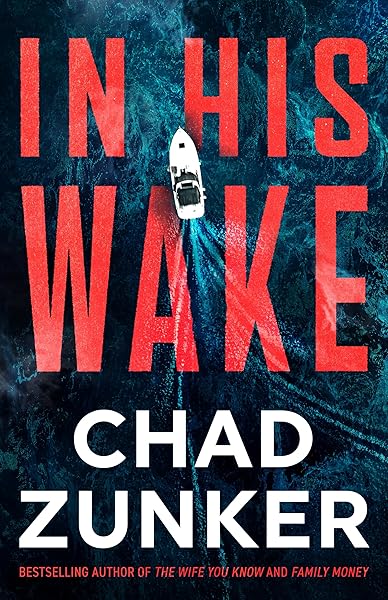
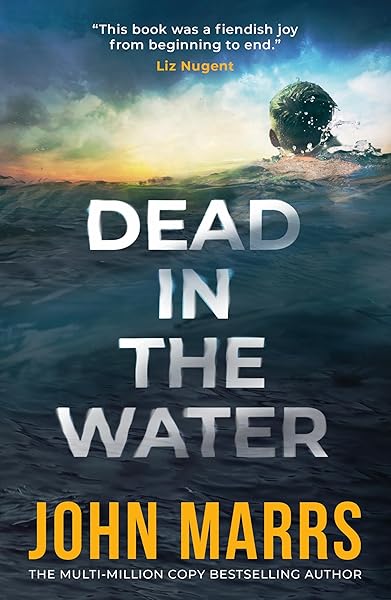
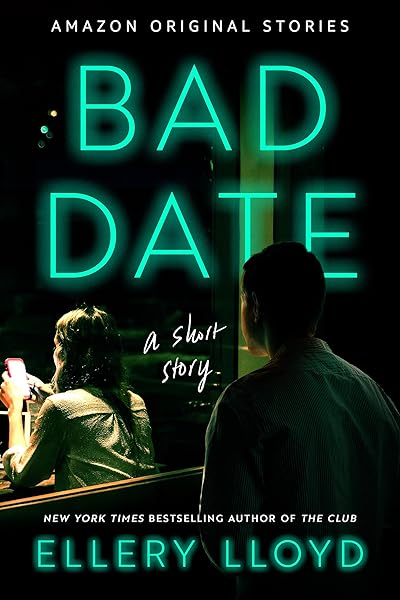
These covers got the click — the blurb sealed the deal



The Universal Blurb Framework (Then Genre Variations)
Before we dive into genre-specific formulas, let's establish the universal framework that underpins all effective blurbs. Every genre adapts it differently, but the skeleton is the same.
The 3-Part Structure:
1. The Setup (1-2 sentences). Introduce your protagonist and their current situation. The reader needs to know who this story is about and why that person is interesting — in the first sentence. Not the world. Not the backstory. The character.
2. The Disruption (2-4 sentences). What changes? What threatens the protagonist's world? This is the engine of your blurb — the conflict that makes the story worth reading. It should feel personal, urgent, and escalating.
3. The Question (1-2 sentences). What's at stake if the protagonist fails? End with an unresolved tension — a question, a choice, a consequence. This is the open loop that drives the purchase. Never close it.
Word count matters more than you think. Our analysis shows the sweet spot: 150 to 200 words for fiction blurbs. Under 120 and you haven't given the reader enough to care. Over 250 and you've lost them — Amazon's product page truncates long descriptions behind a "Read more" fold, and most readers never click it.
Romance Blurbs: Sell the Feeling, Not the Plot
Romance is the most emotionally driven genre in publishing, and the blurbs reflect it. Our data shows 14 million romance books on Goodreads, 58% KU enrollment, and an average price of $7.58 — this is a massive, active market where readers consume 4-8 books per month. They don't need a plot summary. They need to feel the chemistry.
The Romance Blurb Formula:
Lead A intro + wound. Introduce your first lead with their flaw, wound, or situation that makes love seem impossible. Not a physical description — an emotional state. "She swore off dating." "He doesn't believe in second chances." "She built walls so high even her friends can't see in."
Lead B intro + friction. Introduce the second lead as someone who directly challenges Lead A's defenses. The attraction should be implied by the contrast: they're forced together by circumstance, they're opposites, they share a past.
The impossible equation. Show why it can't work — then end on the tension between wanting it and fearing it.
Critical signal: name the trope. Romance readers shop by trope. If your blurb doesn't signal enemies-to-lovers, fake dating, second chance, grumpy-sunshine, or whatever trope drives your story, you're invisible to your target reader.
Example breakdown:
"Lily Chen hasn't let anyone past her front door in two years — not since the proposal that ended with a packed suitcase and a viral TikTok. She's a bestselling romance editor who doesn't believe in happy endings anymore, and she's made peace with that."
"Then her publishing house assigns her Noah Kim's debut novel — 300 pages of raw, furious honesty about his own failed engagement. He writes like he's trying to set the page on fire. He argues like he's trying to win the war, not the battle. And he looks at Lily like she's the answer to a question he hasn't figured out yet."
"They have twelve weeks to turn his manuscript into a bestseller. Twelve weeks of late-night edits, whispered arguments over plot structure, and a growing certainty that the love story they're rewriting might be their own."
Notice: no summary of what "happens." The entire blurb is two people, the tension between them, and the unresolved question of whether they'll risk it. That's romance blurb craft at its best.
Romance covers that promise emotional intensity

Bad Bishop: A Dark Mafia Romance (Society of Villains Book 1)

Till Summer Do Us Part

Rewind It Back (Windy City Series Book 5)

Say You'll Remember Me

The Wild Card: a single dad hockey romance

Picking Daisies on Sundays

The Fall Risk: A Short Story

King of Depravity: Dark Steamy Mafia/Billionaire Romance (Kings of Las Vegas Book 1)
Thriller Blurbs: Ticking Clocks and Impossible Odds
Thriller readers buy adrenaline. Your blurb needs to pulse with urgency from the first sentence. In our dataset, thrillers average $8.86 with 36% KU enrollment and 2.8 million books on Goodreads — a competitive market where your description must convey pace before the reader has turned a single page.
The Thriller Blurb Formula:
The inciting event. Start with action, not character. Something has happened — a crime, a discovery, a disappearance, a threat. The first sentence should feel like the story is already moving.
The protagonist's unique position. Why is this specific person the one who must deal with this threat? What qualifies them — and what makes them vulnerable? Competence plus vulnerability is the thriller sweet spot.
The escalation + betrayal. Things get worse. The person they trusted is compromised. The threat is closer than they thought. The conspiracy goes higher. Stack complications in 2-3 sentences.
The ticking clock. End with a deadline. "She has 48 hours." "Before the next victim is chosen." "Before the evidence disappears forever." Time pressure is the thriller blurb's most reliable closer.
Example breakdown:
"At 3:17 AM, FBI translator Dani Reeves receives a call from a dead man. The voice on the line matches a terrorist she watched die in a raid six months ago — and he's reading tomorrow's headlines."
"Within hours, his predictions start coming true. A senator's plane vanishes. A power grid collapses across three states. And someone inside Dani's own unit is feeding him information in real time."
"The next prediction: a name, a location, and a time — 72 hours from now. The target is Dani's sister. And the only person who can help her stop it is the man she's been ordered to kill."
Anatomy: timestamp creates urgency. The dead man's call is the hook. Predictions-coming-true is the escalation. The personal stake (sister) and the impossible alliance (the target) create the question the reader can only answer by buying.
Thriller covers that promise pace
Fantasy Blurbs: World + Quest + Cost
Fantasy readers want to feel the scale of your world — but they won't wait for you to build it. The 19.4 million fantasy books on Goodreads make this the largest genre by reader volume, with 42% KU enrollment and the highest average price at $11.67. Readers here are invested and patient — but only once they're hooked.
The Fantasy Blurb Formula:
One vivid world detail. Not a paragraph of history. One sentence that makes the reader see this world and understand it's not ours. "In a city where memories can be traded like currency." "On the night the last dragon's heartbeat stops, winter becomes permanent." A single, striking image that implies a larger system.
The protagonist and their burden. Who are they in this world, and what do they carry? Fantasy protagonists often have a role (the last of something, the chosen, the cursed, the fugitive) — state it clearly. The reader needs to understand the character's position in the world, not just their personality.
The quest or threat. What must they do, and what happens if they fail? Fantasy stakes are typically world-level: kingdoms fall, magic dies, darkness spreads. But the best blurbs also tie those stakes to something personal.
The cost. End with sacrifice. What must the protagonist give up to succeed? In fantasy, the cost is often identity — becoming the thing they fear, sacrificing the person they love, breaking the oath that defines them.
Example breakdown:
"In the Twelve Reaches, every prophecy ever spoken is carved into the walls of a living mountain. Kael Dren's name appeared in the stone three days ago — beside the word 'betrayer.'"
"A former scout with no interest in destiny, Kael is given an impossible assignment: escort the empire's last oracle across a continent that's breaking apart. The Reaches are fracturing — literally. Whole cities vanish into the Rift, and the oracle claims Kael is the only one who can close it."
"But the prophecy doesn't say he closes the Rift. It says he opens it wider. And every step closer to the truth makes Kael less certain which version of himself will reach the other side."
Notice the structure: vivid world detail (living mountain, carved prophecies), character with burden (named as betrayer), quest (escort the oracle, close the Rift), and cost (becoming the villain of his own story). This is the fantasy blurb formula executed cleanly.
Fantasy covers that sell epic worlds

On Wings of Blood: A Novel (Bloodwing Academy Book 1)

Rain of Shadows and Endings (The Legacy)

A Tongue so Sweet and Deadly (The Compelling Fates Saga)

Shield of Sparrows: An Enemies-to-Lovers Epic Romantasy

We Who Will Die: An Epic Romantasy of Forbidden Love, Deadly Secrets, and Vampires in a High-Stakes Arena, Discover a Vividly Reimagined Ancient Rome (Empire of Blood Book 1)
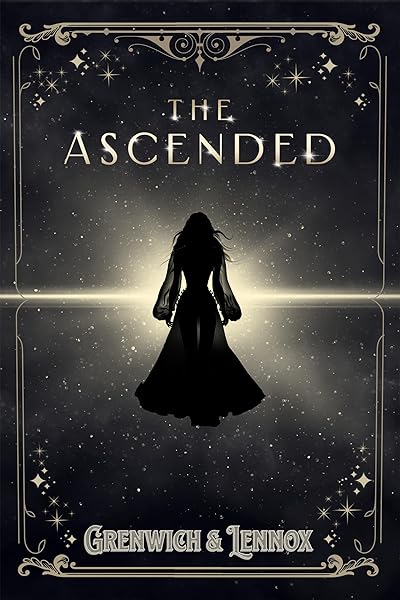
The Ascended (The Aesymarean Duet)

Hollow (Crown of Hearts and Chaos Book 1)

Eldritch (The Eating Woods)
Mystery Blurbs: The Question Hook
Mystery readers are puzzle lovers. They want to be presented with a question and then spend 300 pages trying to answer it before the detective does. Your blurb's job is to pose a question so intriguing that paying $8.85 feels like a bargain for the answer. Mystery holds 6.5 million books on Goodreads with 38% KU enrollment.
The Mystery Blurb Formula:
The question. Mystery blurbs often open with a direct question or an impossible situation. "Who killed the woman who couldn't die?" "How does a man disappear from a locked room with cameras on every wall?" The question IS the hook.
The detective and their angle. Why is this person solving this crime? What's their unique perspective? In cozy mysteries, it's often an amateur with domain expertise (the baker, the librarian, the cat-sitter). In procedurals, it's a detective with a personal connection to the case.
The complication. Something about this case doesn't fit. The evidence points in impossible directions. The suspects all have airtight alibis. The victim had a secret. Mystery readers crave complexity — show them the puzzle has more pieces than they expect.
The personal stakes. End with why this case matters beyond professional duty. The detective's own secret is connected. Someone they love is a suspect. Solving the case means confronting something they've buried.
Example breakdown:
"Retired forensic accountant Meg Hartley came to Jasper Cove for quiet mornings and bad coffee. She did not come here to find her landlord dead in a locked bakery with flour on the ceiling, a smile on his face, and $4 million in unmarked bills in the bread oven."
"The police call it a heart attack. Meg calls it the most creative crime scene she's seen in thirty years. But when she starts asking questions, half the town suddenly has somewhere else to be — and the other half wants her gone."
"Because Jasper Cove has been hiding something for decades. And the deeper Meg digs, the more she realizes that her landlord wasn't the first person in this town to die with a secret worth killing for."
The cozy mystery formula: charming setup, amateur detective with relevant expertise, a murder that's more than it seems, and a small town with layers. The question isn't just "who did it?" — it's "what is this town hiding?"
Mystery covers that promise puzzle-solving

Horror and Sci-Fi Blurbs: Dread and Wonder
Two more genres deserve attention for their distinct blurb approaches.
Horror: Atmosphere Over Plot
Horror readers buy dread. With 3.6 million books on Goodreads and the highest KU enrollment at 60%, horror has a voracious audience that consumes quickly and shops by atmosphere, not plot. Average price sits at $7.36.
The Horror Blurb Formula:
Normality with a crack. Start with something familiar — a house, a family, a routine — then introduce one wrong detail. "The house on Birch Lane was perfect. The neighbors said so. All of them, in exactly the same words."
The escalation of wrongness. Not violence — wrongness. Horror blurbs sell the feeling that something is fundamentally broken about reality. Each sentence should make the situation more unsettling.
The choice with no good options. End with a dilemma where every path leads somewhere dark. Horror readers want to feel trapped alongside the protagonist.
Horror covers that sell atmosphere

The First Witch of Boston: A Novel
On Wings of Blood: A Novel (Bloodwing Academy Book 1)
We Who Will Die: An Epic Romantasy of Forbidden Love, Deadly Secrets, and Vampires in a High-Stakes Arena, Discover a Vividly Reimagined Ancient Rome (Empire of Blood Book 1)
The Ascended (The Aesymarean Duet)
Eldritch (The Eating Woods)
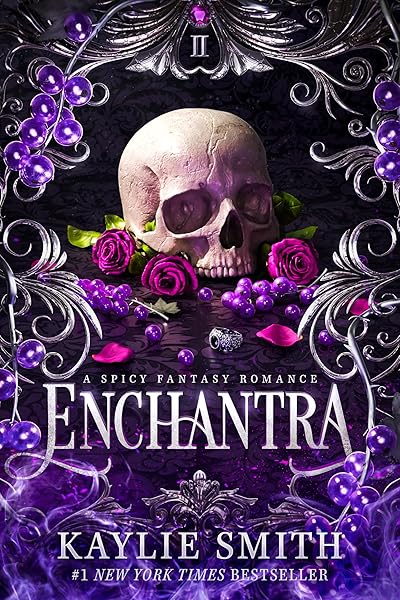
Enchantra: A spicy fantasy romance (Wicked Games Book 2)
Sci-Fi: Concept + Human Cost
Science fiction readers buy ideas — but they stay for the human impact. With 3.8 million books on Goodreads, sci-fi blurbs must communicate the concept quickly and then ground it in personal stakes.
The Sci-Fi Blurb Formula:
The concept in one sentence. "In 2089, grief is curable — one injection and the person you lost simply stops mattering." The concept should be immediately graspable and immediately provocative.
The protagonist who lives the concept. How does this idea affect a specific person? Abstract concepts become stories when they collide with individual lives.
The unintended consequence. Every sci-fi concept has a dark edge. What goes wrong? What wasn't predicted? This is where your blurb generates its tension.
Sci-fi blurbs are often the shortest — the concept does the heavy lifting. 130-170 words is common for high-concept science fiction.
The 7 Deadliest Blurb Mistakes (With Fixes)
Knowing the formula isn't enough — you also need to avoid the traps that sabotage otherwise solid blurbs. These are the seven most common mistakes we see in our Market analysis data, with fixes for each.
1. The Synopsis Disguised as a Blurb. "Sarah moves to a new town and meets Jake. They fall in love but her ex shows up. Then there's a misunderstanding..." This is a summary, not a sales pitch. Fix: Delete everything after the setup. Focus on the conflict, not the sequence of events.
2. Starting with Setting, Not Character. "In a world where..." is the most overused blurb opening in publishing. It delays the human element — the thing readers actually connect with. Fix: Lead with the protagonist. Weave setting around them.
3. Revealing the Ending. If your blurb tells the reader how the story resolves, there's no reason to buy the book. Fix: End on a question or dilemma, never an answer.
4. Too Many Characters. Introducing more than 2-3 named characters in 200 words overwhelms the reader. Fix: Focus on the protagonist and one other key player. Everyone else is "her partner," "his boss," "the stranger."
5. No Genre Signals. A romance blurb that reads like literary fiction. A thriller blurb with no urgency. Genre readers need to recognize your book as theirs within seconds. Fix: Study the top 10 blurbs in your genre and match their tone, pacing, and vocabulary.
6. Passive Voice and Weak Verbs. "She was forced to confront..." vs. "She confronts..." Passive voice kills the energy. Fix: Rewrite every sentence in active voice. Use strong, specific verbs.
7. Over-Length. Anything over 250 words gets buried behind Amazon's "Read more" fold. Most readers never click it. Fix: Cut ruthlessly. If a sentence doesn't create desire or raise stakes, remove it.
Testing and Iterating Your Blurb
The best blurb writers treat their descriptions like ad copy: they test, iterate, and optimize. Here's a practical process.
Step 1: Write three versions. One emotional, one action-focused, one question-led. Different angles on the same story. This takes 30 minutes and gives you real options to compare.
Step 2: Read them aloud. Blurbs that work on screen must also work spoken. If you stumble over a sentence reading it aloud, the reader will stumble over it too.
Step 3: Show them to genre readers. Not writers — readers. Writers will critique the craft. Readers will tell you which version makes them want to buy the book. That's the only metric that matters.
Step 4: A/B test on Amazon. Once your book is live, change the description and monitor conversion rate (orders/page views) in your KDP dashboard. Give each version at least 2 weeks and 200+ page views before judging.
Step 5: Steal from the best. Keep a file of blurbs from bestsellers in your genre. Not to copy — to internalize the patterns. After studying 50+ successful blurbs, the formula becomes instinct.
The Blurb Writer in Dear Pantser generates three genre-optimized blurb variants from your manuscript or plot summary. It applies the genre-specific formulas we've covered here — romance emotional stakes, thriller urgency, fantasy world-hooks — so you start with polished options instead of a blank page. From there, you test and refine until you find the version that converts.
Your cover gets the click. Your blurb closes the sale. Give it the same creative attention you give your opening chapter — because for readers on Amazon, the blurb IS your opening chapter.
Try Our AI Writing Tools
Generate blurbs, plot outlines, and more — designed for pantsers.
Try the Blurb WriterRelated Articles
Master the art of the book blurb. Genre-specific formulas, real examples, and common mistakes that kill sales on Amazon.
Master Amazon book description formatting, keyword placement, above-the-fold optimization, A+ content, and mobile vs desktop display. Data-backed strategies from 2,500+ books analyzed.
Unlock the power of an AI blurb writer for books. Learn how to craft compelling, data-backed book blurbs that captivate readers and boost sales. Get actionable tips!