
AI Blurb Writer: Generate Book Blurbs That Convert (Data-Driven)
Unlock the power of an AI blurb writer for books. Learn how to craft compelling, data-backed book blurbs that captivate readers and boost sales. Get actionable tips!
The Blurb's Power: Your Book's First Impression
In the fiercely competitive world of publishing, your book's blurb isn't just a summary—it's a critical sales tool, often the make-or-break factor in a reader's decision to buy. Imagine standing in a bookstore, browsing hundreds of titles. What makes you pick one up? More often than not, it's the intriguing blurb on the back cover or product page. This tiny block of text, typically 100-250 words, carries an immense burden: it must hook, intrigue, and convince a potential reader that your story is worth their time and money.
Studies show that readers spend an average of 8-15 seconds scanning a blurb before making a decision. This means every single word counts. A poorly written blurb can lead to missed sales opportunities, even for a fantastic book. Conversely, a compelling, well-crafted blurb can significantly boost your book's visibility and conversion rates. This is where an AI blurb writer for books can become an invaluable asset, transforming the daunting task of blurb creation into an efficient, data-driven process.
Why Traditional Blurb Writing Fails (Sometimes)
For many authors, writing a blurb is harder than writing the entire book. You've poured your heart and soul into hundreds of pages, but distilling that essence into a few captivating sentences feels impossible. Common pitfalls include:
- Author Bias: You know your story too well. It's hard to identify what's truly unique or intriguing to a new reader.
- Over-Summarizing: Instead of teasing, authors often give away too much plot, leaving no room for discovery.
- Lack of Hook: The opening fails to grab attention immediately, causing readers to click away.
- Generic Language: Using clichés or bland descriptions that don't differentiate your book from others in its genre.
- Ignoring Genre Conventions: Each genre has specific expectations for what a blurb should convey. Missing these can alienate target readers.
- Inconsistent Tone: The blurb's tone doesn't match the book's, leading to reader disappointment.
These challenges highlight the need for a systematic, objective approach. An AI blurb writer for books can help overcome these hurdles by leveraging data and genre-specific patterns.
The AI Advantage: How AI Blurb Writers Work
An AI blurb writer for books isn't just generating random text; it's a sophisticated tool trained on vast datasets of successful book blurbs, sales data, and genre conventions. Here's a simplified breakdown of how these tools operate:
- Data Ingestion: The AI is fed millions of book blurbs, along with their associated sales performance, genre, keywords, and reader reviews. This allows it to identify patterns in language, structure, and emotional appeal that lead to high conversion rates.
- Pattern Recognition: It learns what elements are crucial for specific genres. For instance, a romance blurb will emphasize emotional stakes and character connection, while a thriller blurb focuses on suspense and plot twists.
- Input Analysis: When you provide your book's core information (genre, plot points, character arcs, themes), the AI analyzes these inputs against its learned patterns.
- Generative Text: Using advanced natural language processing (NLP) and machine learning algorithms, the AI generates multiple blurb variations, often incorporating elements like rhetorical questions, cliffhangers, and evocative language.
- Optimization & Refinement: The best AI tools allow for iterative refinement, enabling you to guide the AI towards specific tones, lengths, or focuses based on your preferences and target audience.
By automating the initial drafting process and suggesting data-backed improvements, an AI blurb writer significantly reduces the time and effort authors spend on this crucial marketing component.
Key Elements of a High-Converting Blurb
Regardless of whether you use an AI or write it yourself, every successful blurb shares common DNA. Understanding these elements is crucial for guiding your AI blurb writer for books effectively:
- The Hook: The very first sentence or two. It must immediately grab attention, introduce the core conflict or intriguing premise, and make the reader want to know more.
- Main Character & Stakes: Introduce your protagonist (or key characters) and what they stand to gain or lose. Readers connect with characters, and understanding their journey is vital.
- Core Conflict/Problem: What is the central challenge? What obstacle must your character overcome? This drives the narrative tension.
- World/Setting Hint: Briefly establish the unique world or setting, especially for genres like fantasy or sci-fi without bogging down the blurb with excessive detail.
- Inciting Incident/Catalyst: What event sets the story in motion? This often forms the backbone of the blurb's middle section.
- Rising Action/Consequences: What happens next? What are the escalating challenges or choices? This builds suspense.
- The Question/Call to Action: A rhetorical question or a statement that leaves the reader wanting to know the answer, often hinting at the book's core theme or ultimate challenge. This acts as a subtle call to action to buy the book.
- Genre Cues: Specific language, tropes, and emotional promises that align with reader expectations for the genre.
An effective AI blurb writer for books will attempt to weave these elements together seamlessly, creating a narrative arc within the blurb itself.
Genre-Specific Blurb Strategies with AI
Different genres demand different blurb approaches. An AI blurb writer for books excels here by understanding these nuances. Let's explore a few examples:
Romance & Romantasy
For romance and romantasy, blurbs focus heavily on the 'meet-cute' or 'meet-hate,' the emotional connection, the obstacles to love, and the promise of a satisfying romantic journey. Keywords often include 'sizzling chemistry,' 'forbidden love,' 'enemies-to-lovers,' or 'fated mates.' The AI will prioritize character dynamics and emotional stakes.


Thriller & Mystery
Thriller and mystery blurbs thrive on suspense, intrigue, and high stakes. They often pose a central question, hint at a dark secret, or introduce a dangerous antagonist. The AI will emphasize plot twists, urgency, and the looming threat. Think 'unraveling a conspiracy,' 'race against time,' or 'a killer on the loose.'


Fantasy & Sci-Fi
Blurbs for fantasy and sci-fi need to quickly establish the unique world, the epic scope, and the extraordinary challenges faced by the protagonist. AI will help craft evocative world-building hints without overwhelming the reader, focusing on magic systems, futuristic tech, or mythical creatures. Phrases like 'ancient prophecies,' 'galactic empires,' or 'chosen one' are common.
Fantasy Blurb Examples

On Wings of Blood: A Novel (Bloodwing Academy Book 1)

Rain of Shadows and Endings (The Legacy)

A Tongue so Sweet and Deadly (The Compelling Fates Saga)

Shield of Sparrows: An Enemies-to-Lovers Epic Romantasy

We Who Will Die: An Epic Romantasy of Forbidden Love, Deadly Secrets, and Vampires in a High-Stakes Arena, Discover a Vividly Reimagined Ancient Rome (Empire of Blood Book 1)
Cozy Mystery & Cozy Fantasy
Cozy mystery and cozy fantasy blurbs need to balance intrigue with a sense of charm and low-stakes danger. They often feature an amateur sleuth, a quaint setting, and quirky characters. The AI will aim for a lighter tone, using words like 'charming village,' 'delightful bakery,' or 'whimsical adventure,' while still promising a clever puzzle.
Cozy Mystery Blurbs

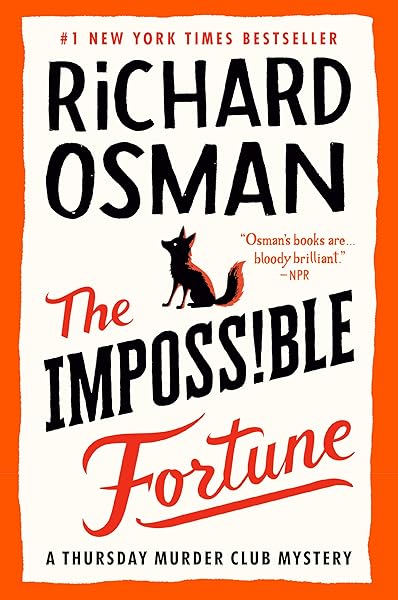
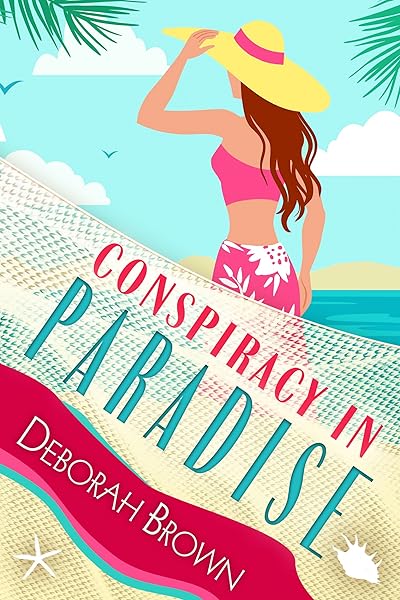
Cozy Fantasy Blurbs

Tansy's Tinctures: A cozy cottagecore fantasy (Tales of Silverfern Hollow Book 1)

The Midnight Bookshop: Your next favourite magical realism book – for fans of cosy, small-town emotional reads in 2026!
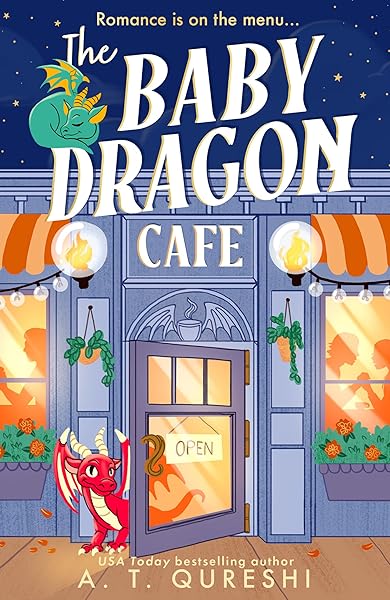
The Baby Dragon Cafe: the USA Today bestselling charming NEW cozy romance fantasy for 2025 you need! (The Baby Dragon series Book 1)
Using Dear Pantser's AI Blurb Writer: A Step-by-Step Guide
Dear Pantser's AI blurb writer for books is designed with indie authors in mind, offering a streamlined process to generate high-quality, genre-optimized blurbs. Here's how to maximize its potential:
- Start with Your Core Story Elements: Before you even touch the AI, have a clear understanding of your book's genre, protagonist, antagonist, core conflict, and key plot points. The more specific and concise your input, the better the output.
- Input Your Details: Navigate to the blurb generator within Dear Pantser. You'll be prompted to provide information such as:
- Genre: Select the primary and secondary genres (e.g., 'Dark Romance' with 'Fantasy' elements).
- Protagonist's Goal/Desire: What does your main character want more than anything?
- Antagonist/Obstacle: What stands in their way?
- Inciting Incident: What kicks off the story?
- Key Stakes: What will happen if your protagonist fails?
- Unique Selling Points: What makes your book stand out? (e.g., 'a magic system based on music,' 'a dystopian world ruled by sentient AI').
- Keywords/Themes: Any specific words or themes you want to include (e.g., 'redemption,' 'found family,' 'space opera').
- Generate Initial Blurbs: The AI will process your input and generate several blurb variations. Don't expect perfection on the first try, but look for strong hooks, compelling language, and structural integrity.
- Refine and Iterate: This is a crucial step. Use the AI's refinement options:
- Adjust Tone: Make it more 'gritty,' 'romantic,' 'humorous,' or 'suspenseful.'
- Change Length: Request shorter or longer versions.
- Focus on Specific Elements: Ask the AI to emphasize character development, plot twists, or world-building.
- Provide Feedback: If a blurb is too generic, tell the AI to be 'more unique' or 'add more conflict.'
- Test and Edit Manually: While the AI provides a fantastic foundation, always perform a final manual review. Check for flow, grammar, punctuation, and ensure the blurb accurately reflects your book's voice and promise. Read it aloud!
- A/B Test (If Possible): If you publish on platforms like Amazon, consider creating two slightly different blurbs and A/B testing them to see which performs better in terms of click-through rates and sales.
Optimizing Your Blurb for Retailers and SEO
Beyond just captivating readers, your blurb also plays a role in how discoverable your book is on retail platforms. An AI blurb writer for books can help integrate SEO best practices:
- Keyword Integration: While not as critical as dedicated keyword fields, naturally embedding relevant keywords (e.g., 'dark fantasy romance,' 'gritty detective novel') within your blurb can subtly signal to search algorithms what your book is about. The AI can suggest natural ways to include these.
- Formatting: Use bolding () and italics () to highlight key phrases, character names, or intriguing questions. Break up long paragraphs into shorter ones for readability. Most retail platforms support basic HTML formatting.
- First 200 Characters: Many platforms display only the first few lines of your blurb before requiring a 'read more' click. Ensure your absolute strongest hook and core premise are within these initial characters. The AI can be guided to prioritize this.
- Call to Action: While not always explicit, the blurb should implicitly encourage a purchase. Some authors include a direct call to action at the very end, though this is less common in fiction.
- Review Snippets: If you have compelling early reviews, consider adding a short, powerful quote (e.g., "'A gripping read!' - Bestselling Author Jane Doe") after the blurb, or even within it if it's exceptionally impactful.
By considering these factors, you're not just writing a blurb; you're crafting a powerful marketing asset. For more on optimizing your book's presence, explore our resources on book marketing strategies.
Common Mistakes to Avoid When Using an AI Blurb Writer
While an AI blurb writer for books is a powerful tool, it's not a magic wand. Authors must remain actively involved in the process:
- Over-reliance on First Drafts: Never publish the first blurb an AI generates without review and refinement. AI provides a starting point, not always a finished product.
- Lack of Specificity in Input: Vague inputs lead to generic outputs. The more detail you provide about your plot, characters, and unique elements, the better the AI can tailor the blurb.
- Ignoring Your Book's Voice: Ensure the AI's output aligns with your book's tone and style. If your book is humorous, the blurb shouldn't be overly serious.
- Giving Away Too Much: The AI, if not properly guided, might inadvertently reveal major plot twists or the ending. Always check for spoilers.
- Not Understanding Genre Tropes: While AI understands tropes, you, as the author, should ensure the blurb leverages the right ones for your specific sub-genre without being cliché.
- Forgetting the 'Why': The blurb needs to answer, implicitly, 'Why should I read this book?' It's not just what happens, but why it matters to the characters and potentially the reader.
Treat the AI as a highly intelligent assistant, not a replacement for your authorial judgment. Your creative input is still paramount.
Ready to Transform Your Book Blurbs?
Your book deserves a blurb that truly captures its essence and compels readers to dive in. An AI blurb writer for books like the one offered by Dear Pantser is not just a convenience; it's a strategic advantage in today's crowded market. By combining the power of artificial intelligence with your unique story and authorial insight, you can craft blurbs that don't just describe your book, but actively sell it.
Don't let a weak blurb hold your masterpiece back. Experiment with different inputs, refine the AI's suggestions, and discover the perfect phrasing that will make your book irresistible. Start generating high-converting blurbs today and watch your readership grow!
Try Our AI Writing Tools
Generate blurbs, plot outlines, and more — designed for pantsers.
Try the Blurb WriterRelated Articles
How AI plot generators work for discovery writers who don't outline. Practical workflows, tool comparisons, and how to maintain creative control while using AI.
Master Amazon book description formatting, keyword placement, above-the-fold optimization, A+ content, and mobile vs desktop display. Data-backed strategies from 2,500+ books analyzed.
Genre-specific blurb formulas with real examples. Romance emotional stakes, thriller ticking clocks, fantasy world hooks, mystery question openers — plus the word count and structure that convert browsers into buyers.