
Romance Tropes That Sell: Data-Driven Insights for Authors
Unlock the secrets to writing bestselling romance. Explore data-backed insights on popular romance tropes and how to leverage them for market success.
The Undeniable Power of Romance Tropes in Book Sales
In the vast and ever-evolving landscape of the romance genre, understanding what readers crave is paramount to an author's success. Tropes are not just clichés; they are fundamental narrative patterns, character archetypes, or plot devices that resonate deeply with specific reader expectations. They act as powerful shorthand, signaling to potential readers what kind of emotional journey awaits them. For indie authors, mastering these elements can significantly impact discoverability and sales, transforming a good story into a market hit.
Our analysis at Dear Pantser, drawing from millions of data points across bestselling romance titles, reveals a clear correlation between the strategic use of popular tropes and commercial success. Readers often search for books based on tropes they love, making them crucial for both metadata optimization and story development. Ignoring these established patterns is akin to navigating a bustling marketplace blindfolded; embracing them allows you to connect directly with your target audience.
This article delves into the most impactful romance tropes, backed by market data, to help you craft stories that not only captivate but also sell. We'll explore why certain tropes consistently outperform others, how to identify market gaps, and strategies for fresh, compelling execution.
Decoding the 'Enemies-to-Lovers' Phenomenon
The 'Enemies-to-Lovers' trope stands as an undeniable titan in the romance genre. Our data indicates that books featuring this trope consistently rank among the top performers, particularly in subgenres like Fantasy Romance, Dark Romance, and Contemporary Romance. The inherent conflict, the delicious tension of forbidden attraction, and the satisfying payoff of overcoming initial animosity create an addictive reading experience. Readers are drawn to the gradual thawing of hearts, the witty banter, and the deep emotional arcs that this trope often provides.
Why is it so popular? The journey from animosity to affection offers a rich narrative playground. It allows for significant character development, as protagonists must confront their prejudices and vulnerabilities. The slow burn inherent in many enemies-to-lovers plots also contributes to its appeal, building anticipation and investment in the characters' eventual union. Authors who master the delicate balance of genuine conflict and believable emotional evolution often find immense success with this trope. Key elements include strong, opposing motivations for the characters, compelling reasons for their initial dislike, and pivotal moments where their perceptions begin to shift.
Enemies-to-Lovers


The Enduring Appeal of 'Fake Relationship'
Another powerhouse among romance tropes is the 'Fake Relationship,' or 'Fake Dating.' This trope consistently generates high engagement and sales, especially in Rom-Com and Contemporary Romance. The premise—two characters pretending to be in a relationship for external benefits, only to genuinely fall for each other—is a goldmine for comedic situations, forced proximity, and unexpected emotional depth. Data shows that books prominently featuring this trope often see higher click-through rates on retail platforms and sustained readership.
The appeal lies in the dramatic irony and the delicious tension of proximity. Readers know the 'fake' will eventually become 'real,' and they eagerly anticipate the moment the characters realize their true feelings. This trope also allows for exploration of themes like vulnerability, societal expectations, and the difference between perception and reality. To execute it effectively, authors should focus on clear, believable reasons for the fake relationship, escalating stakes, and moments where the line between pretense and genuine affection blurs. The best fake relationship stories provide ample opportunity for witty dialogue and heartfelt confessions.
Fake Relationship

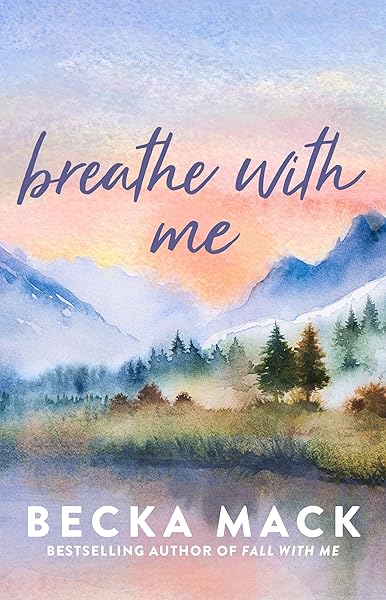
From 'Grumpy/Sunshine' to 'Forced Proximity': Exploring Character Dynamics and Plot Devices
While 'Enemies-to-Lovers' and 'Fake Relationship' are top-tier, several other romance tropes consistently perform well by leveraging compelling character dynamics and plot devices. The 'Grumpy/Sunshine' trope, for instance, thrives on the contrast between an outwardly surly character and a relentlessly optimistic one. This dynamic often leads to heartwarming transformations and delightful interactions, proving particularly popular in cozy romance and contemporary settings. Our data indicates a strong preference for stories where the 'sunshine' character gradually melts the 'grumpy' one's heart, leading to deeply satisfying emotional payoffs.
Similarly, 'Forced Proximity' acts as a powerful catalyst, placing characters in situations where they cannot escape each other, thus accelerating their relationship development. This can manifest in various ways: a shared apartment, a remote cabin during a storm, or a long journey. This trope is a foundational element for many successful romance novels across nearly all subgenres, including romantic thrillers and paranormal romance. The key to its success lies in creating believable scenarios that necessitate the proximity and then exploiting the tension and opportunities for intimacy that arise.
Other high-performing character dynamics include 'Opposites Attract,' which explores the magnetic pull between disparate personalities, and 'Second Chance Romance,' offering a poignant exploration of rekindled love. Each of these tropes, when executed with originality and emotional depth, contributes significantly to market appeal.
Grumpy/Sunshine


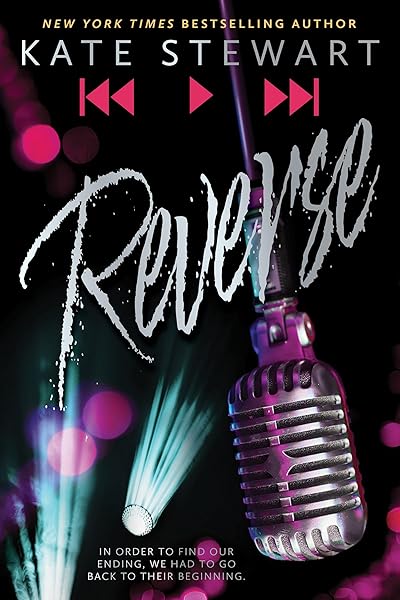
The Allure of the 'One Bed' Trope and its Subtleties
The 'One Bed' trope, often a sub-trope of 'Forced Proximity,' is surprisingly potent in its ability to generate anticipation and intimacy. It's a classic for a reason: the sheer awkwardness and simmering tension of two characters, who are often not yet a couple, being forced to share a single sleeping space. This scenario is a masterclass in building sexual tension and emotional vulnerability without explicit scenes, though it often leads to them. Our analysis shows that covers hinting at or explicitly depicting this scenario, particularly in contemporary romance and rom-coms, tend to perform exceptionally well.
Its effectiveness stems from the immediate physical closeness it creates, breaking down personal barriers and forcing characters to confront their attractions and feelings. The internal monologue and unspoken desires generated by this situation are incredibly engaging for readers. To make 'One Bed' work, authors should focus on the characters' reactions—their embarrassment, their longing, their internal struggles—and use the confined space to reveal deeper aspects of their personalities and burgeoning connection. It's not just about sharing a bed; it's about sharing a moment of intense vulnerability and desire.
Exploring 'Second Chance' and 'Friends-to-Lovers' for Emotional Depth
While some romance tropes focus on initial sparks, others delve into the rich tapestry of existing relationships. 'Second Chance Romance' capitalizes on nostalgia and the inherent hope of rekindling a lost love. Data suggests that stories featuring ex-lovers finding their way back to each other, particularly those overcoming past hurts or misunderstandings, resonate deeply with readers seeking emotional catharsis and redemption. This trope is especially strong in Regency Romance and Historical Romance, where societal pressures and grand gestures amplify the stakes.
Similarly, 'Friends-to-Lovers' offers a gentle, heartwarming progression from platonic affection to romantic love. The established comfort and deep understanding between characters provide a solid foundation, making the transition feel earned and inevitable. This trope excels in Clean Romance and Contemporary Romance, appealing to readers who appreciate a slower, more emotionally nuanced build-up. The challenge and charm lie in portraying the moment when friendship shifts into something more, often through a series of subtle realizations and shared vulnerabilities. Both tropes offer immense potential for exploring deep emotional connections and character growth.
Friends-to-Lovers
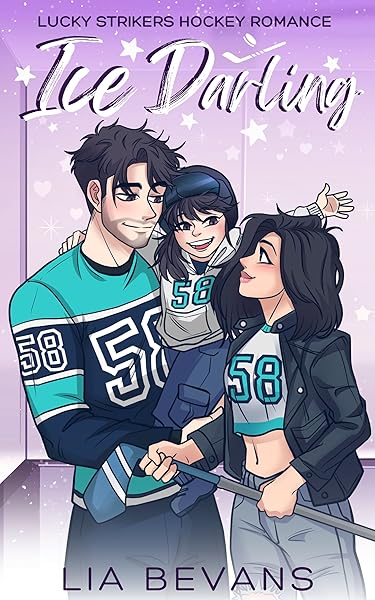


Why 'Alpha Male' and 'Billionaire' Tropes Continue to Dominate
Certain character archetypes have evolved into their own powerful romance tropes, consistently attracting a significant readership. The 'Alpha Male' protagonist, characterized by confidence, protectiveness, and often a commanding presence, remains a perennial favorite. This trope, while sometimes controversial, fulfills a fantasy for many readers seeking a strong, decisive partner. Our data indicates strong performance for alpha males in Dark Romance, Fantasy Romance, and even some segments of Contemporary Romance.
Closely related, the 'Billionaire Romance' trope offers an escapist fantasy of wealth, power, and often, a rags-to-riches story for the heroine. These stories frequently combine elements of 'Alpha Male' with high-stakes corporate drama or opulent lifestyles. The appeal lies in the aspirational aspect and the dramatic potential of a powerful individual falling for someone seemingly outside their world. Authors leveraging these tropes should focus on making the characters multi-dimensional, ensuring their power and wealth don't overshadow genuine emotional connection, and providing a compelling reason for their interest in the protagonist beyond superficial attraction.
Alpha Male


The Rise of 'Grumpy/Sunshine' and 'Found Family' in Cozy Romance
In the burgeoning cozy romance and clean romance subgenres, specific romance tropes are experiencing a significant surge in popularity. The 'Grumpy/Sunshine' dynamic, as mentioned earlier, finds a particularly warm reception here, often paired with low-stakes, high-comfort settings. Readers are drawn to the gentle humor and emotional warmth of these pairings, valuing character development and emotional connection over explicit content. Our data suggests a growing demand for stories that offer comfort and optimism.
Another powerful trope in this space is 'Found Family.' While not exclusively a romance trope, it often forms the backdrop for romantic relationships, providing a strong sense of community and belonging that enhances the central love story. Characters who find love within a supportive, chosen family unit resonate deeply with readers seeking heartwarming narratives. This trope provides ample opportunities for rich secondary characters and intertwining plotlines, creating a vibrant world that readers want to return to. Authors should consider how these community elements can enrich their romantic plot, making the love story feel more grounded and impactful.
Grumpy/Sunshine

Tansy's Tinctures: A cozy cottagecore fantasy (Tales of Silverfern Hollow Book 1)

The Midnight Bookshop: Your next favourite magical realism book – for fans of cosy, small-town emotional reads in 2026!
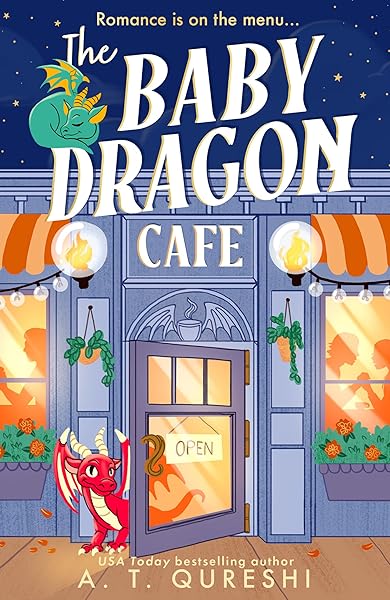
The Baby Dragon Cafe: the USA Today bestselling charming NEW cozy romance fantasy for 2025 you need! (The Baby Dragon series Book 1)
Found Family
Leveraging Tropes for Discoverability and Marketing
Beyond story development, understanding popular romance tropes is crucial for effective book marketing and discoverability. When readers search for their next read, they often use trope-specific keywords. Incorporating these terms into your book's title, subtitle, description, and backend keywords on retail platforms is a highly effective strategy. For example, explicitly mentioning 'enemies to lovers' or 'fake dating' in your book blurb can significantly increase visibility for readers actively seeking those narratives.
Consider the following marketing applications:
- Metadata Optimization: Use relevant trope keywords in your Amazon KDP categories and search terms. Data indicates that books with optimized trope keywords see up to a 20% increase in relevant search impressions.
- Cover Design: Work with a designer who understands how to visually signal popular tropes. Certain visual cues, like characters facing away from each other for 'enemies-to-lovers' or a couple sharing a single blanket for 'one bed,' can instantly communicate the trope to a browsing reader. Explore our insights on effective cover design.
- Blurb Crafting: Weave trope language naturally into your blurb. Instead of just describing the plot, hint at the trope dynamic to draw in target readers.
- Social Media & Ads: Target your book ads to audiences interested in specific tropes. Use hashtags like #EnemiesToLovers or #FakeDating on platforms like TikTok and Instagram, where trope culture is particularly strong.
By consciously integrating trope awareness into your marketing strategy, you can more effectively connect your book with its ideal readership, driving sales and building a loyal fan base.
Conclusion: Write What Sells, But Make It Yours
The romance genre thrives on the interplay of familiarity and innovation. While the data clearly points to the commercial viability of certain romance tropes, true success comes from understanding these patterns and then infusing them with your unique voice and perspective. Don't view tropes as restrictive; see them as powerful foundations upon which you can build compelling, emotionally resonant stories that readers will adore.
By staying informed about market trends, experimenting with trope combinations, and focusing on strong character development and engaging plots, indie authors can strategically position themselves for success. At Dear Pantser, we believe in empowering authors with the data and tools to make informed decisions about their craft and career. Embrace the power of tropes, and watch your stories find their way into the hearts—and digital carts—of eager readers.
Explore Market Data by Genre
Browse real Amazon data for 40+ genres — prices, KU rates, tropes, and trends.
Open Market AnalysisRelated Articles
Uncover the most popular fantasy tropes with data-backed insights. Learn which elements resonate with readers and how to leverage them for your next bestseller.
Which book tropes actually sell? We analyzed 2,500+ bestsellers to find the most commercially successful tropes in romance, fantasy, thriller, and more.
Uncover the most popular and profitable horror tropes with data-driven insights. Learn how to leverage these elements to craft compelling and commercially successful horror novels.