
Horror Tropes That Sell: Data-Driven Strategies for Authors
Uncover the most popular and profitable horror tropes with data-driven insights. Learn how to leverage these elements to craft compelling and commercially successful horror novels.
Mastering the Macabre: Understanding Horror Tropes for Success
The horror genre thrives on its ability to tap into primal fears, but within this vast landscape, certain narrative elements, or 'tropes,' consistently resonate with readers. For indie authors, understanding which horror tropes are currently performing well isn't just about following trends; it's about strategically crafting stories that meet reader expectations while still offering fresh perspectives. This article dives deep into the data, analyzing top-selling horror novels to identify the most potent tropes that can elevate your manuscript from chilling to chart-topping.
We'll explore how these recurring motifs, from haunted houses to psychological torment, are being utilized effectively by successful authors, and provide actionable insights for integrating them into your own work. By dissecting reader preferences and market demands, you can refine your storytelling to connect with a wider audience, ensuring your terrifying tales find their way into the hands of eager fans. The horror market is robust, with consistent demand for well-executed stories, but standing out requires more than just a good scare; it demands a strategic understanding of what truly sells.
The Undying Appeal of the Supernatural: Ghosts, Demons, and Curses
Supernatural horror remains a cornerstone of the genre, consistently captivating readers with its exploration of the unknown and the uncanny. Data from top-selling titles reveals that stories featuring ghosts, demonic possessions, ancient curses, and malevolent entities dominate a significant portion of the market. This isn't merely anecdotal; analysis of reader reviews and sales data indicates a strong preference for narratives where the threat originates from beyond the natural world. Authors who successfully weave these elements into their plots often focus on creating a palpable sense of dread and mystery, rather than relying solely on jump scares.
For instance, novels that delve into the lore of a specific haunting or the intricate rules governing a demonic entity tend to perform better than those with vague, undefined threats. Readers appreciate world-building, even in horror, and a well-defined supernatural antagonist provides a more satisfying and terrifying experience. Consider how you can give your supernatural elements a unique twist, perhaps by exploring cultural folklore or by introducing new rules to classic supernatural beings. This fusion of familiar tropes with novel interpretations can be a powerful selling point. For more insights into genre specifics, explore our Paranormal genre guide.
Top-Selling Paranormal Horror

Guarding Kendra: A Black Paranormal Romance (Wintermoon Shorts Book 6)

Rejected Mate Bride: Rejected Mate Secret Baby Romance (Silverrose Wolves Book 1)

The Farmer Prince (The Scarred Earth Saga Book 4)

Chased by the Lycan Prince: A Royal Paranormal Shifter Romance with a Forbidden Mate

THE SHATTERED ALPHA : A Paranormal Shifter Thriller
Psychological Terrors: The Mind as the Ultimate Battleground
While external threats are terrifying, the horrors residing within the human mind prove equally, if not more, compelling for many readers. Psychological horror, characterized by unreliable narrators, gaslighting, existential dread, and the slow unraveling of sanity, consistently ranks high in reader engagement and sales. This subgenre preys on vulnerability and the fear of losing control, making it deeply unsettling. Data suggests that novels featuring protagonists grappling with mental health issues, traumatic pasts, or insidious manipulation often achieve significant commercial success.
The key to mastering psychological horror lies in subtle build-up and a meticulous understanding of human psychology. Authors should focus on character development, making the protagonist's internal struggle as terrifying as any external monster. Readers are drawn to the intricate puzzles of the mind, and a well-executed psychological twist can leave a lasting impact. Subtlety often trumps overt violence in this space, with the horror stemming from what is implied rather than explicitly shown. Crafting such narratives requires a deep dive into character motivation and emotional resonance.
Unreliable Narrators: A Psychological Edge
An unreliable narrator is a potent tool in psychological horror, creating an atmosphere of uncertainty and distrust that permeates the entire story. When the reader can't trust the perspective from which the story is told, every event becomes suspect, and the line between reality and delusion blurs. This technique, when used effectively, can significantly heighten tension and engagement. Sales data shows that books employing this trope often receive higher ratings for originality and suspense.
Isolation and Claustrophobia: Fueling Internal Conflict
Placing characters in isolated settings—be it a remote cabin, a desolate spaceship, or even just a character trapped within their own thoughts—amplifies psychological horror. The lack of external support forces characters to confront their inner demons, often leading to a breakdown of their mental state. This environmental pressure cooker is a common and highly effective trope that resonates with readers' fears of being alone and vulnerable. Explore how setting can become a character in itself, mirroring the protagonist's internal state.
The Enduring Allure of Folk and Cosmic Horror
Two distinct yet equally potent branches of horror, folk horror and cosmic horror, have seen a resurgence in popularity and commercial success. Folk horror, rooted in ancient traditions, rural isolation, and pagan rituals, taps into primeval fears of the unknown lurking in nature and forgotten histories. Cosmic horror, pioneered by H.P. Lovecraft, expands this dread to an existential scale, confronting humanity with its insignificance in a vast, uncaring universe filled with incomprehensible entities.
Both subgenres offer a rich tapestry for authors to explore. Folk horror often thrives on a slow-burn narrative, building dread through atmosphere and the gradual revelation of sinister practices. Cosmic horror, on the other hand, aims to evoke a sense of awe and terror at the sheer scale of the unknown. Data indicates that novels effectively blending these elements with contemporary settings or modern characters often achieve breakout success. Readers are drawn to the intellectual challenge and profound unease these tropes provide, making them highly marketable. Consider how ancient evils or unfathomable beings can interact with present-day society for maximum impact.
Folk & Gothic Horror
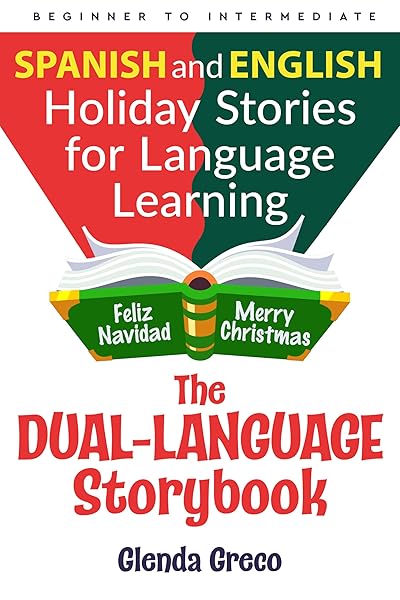
The Dual-Language Storybook: Spanish and English Holiday Stories for Language Learning (Beginner to Intermediate) (Dual-language Storybooks Book 2)

Japanese Short Stories for Beginners: Learn with Tomoko Through 10 Fun Tales & Master Japanese Language and Culture the Natural Way (Learn Japanese with ... for Language and Culture Lovers Book 1)

A Hunger Artist
Cosmic & Dark Fantasy
Body Horror and the Grotesque: Pushing Boundaries
While not for every reader, body horror consistently finds a dedicated and often fervent audience. This trope focuses on the violation and transformation of the human body, evoking disgust and visceral fear. From parasitic infections to grotesque mutations and extreme surgical procedures, body horror explores the fragility of our physical forms and the terror of losing corporeal integrity. Sales data confirms that well-executed body horror, particularly when it serves a thematic purpose beyond mere shock value, can be incredibly effective.
Authors leveraging body horror should aim for a blend of the visceral and the psychological. The horror often amplifies when the physical decay or transformation reflects an internal corruption or a societal malaise. Indie authors have a unique opportunity to push boundaries in this niche, as traditional publishers sometimes shy away from its extreme nature. However, careful consideration of reader expectations and trigger warnings is crucial for success in this subgenre. The key is to make the grotesque meaningful, not just gratuitous.
Found Footage and Epistolary Horror: Immersive Storytelling
The 'found footage' and epistolary styles of horror storytelling, while not strictly tropes in the traditional sense, are narrative devices that have become powerful selling points. Found footage, often presented as recovered documents, audio recordings, or video files, lends an unsettling realism to the narrative, making the horror feel more immediate and authentic. Epistolary horror, told through letters, emails, journal entries, or newspaper clippings, creates a similar sense of verisimilitude and allows for fragmented, unreliable storytelling.
Analysis of reader engagement shows that these formats can significantly increase immersion, making the reader feel like an active participant in uncovering the horrifying truth. This direct connection often translates to higher review scores and word-of-mouth recommendations. Authors considering these approaches should focus on maintaining consistency in the 'found' elements and ensuring the fragmented narrative still delivers a coherent and terrifying plot. The clever use of these techniques can differentiate your book in a crowded market by offering a unique reading experience. For more on crafting compelling narratives, visit our plot development guide.
Horror Tropes in Action: Case Studies and Adaptations
Examining how successful authors and media have utilized horror tropes provides invaluable lessons. Take the 'haunted house' trope, for example. While a classic, its enduring appeal comes from authors finding new ways to interpret it. Shirley Jackson's The Haunting of Hill House redefined it through psychological terror, while modern authors might combine it with found footage elements or explore its historical context. Similarly, the 'creepy child' trope, seen in everything from The Exorcist to The Omen, continues to terrify because it subverts the innocence associated with childhood, creating a profound sense of unease.
Another common and effective trope is the 'final girl' in slasher horror, which, despite its predictability, offers a cathartic journey for readers who root for survival against impossible odds. Authors who subvert or reinvent these tropes often gain significant attention. For instance, a 'final girl' who isn't conventionally feminine or who actively embraces violence can provide a fresh perspective. The key is not to avoid tropes, but to understand their core appeal and then innovate upon them. Data suggests that novels offering a fresh twist on a familiar trope often achieve higher sales and critical acclaim than those that merely replicate.
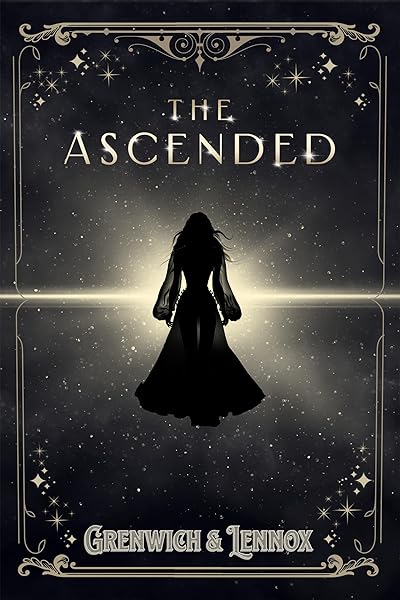
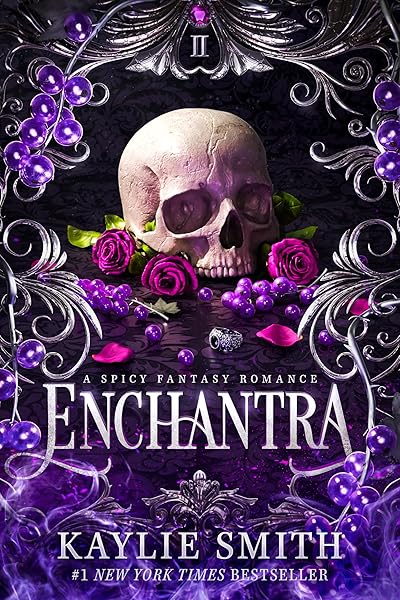
Horror Novels Redefining Tropes



Crafting Compelling Horror: Beyond the Tropes
While understanding and strategically employing popular horror tropes is crucial for market success, it's equally important to remember that tropes are tools, not crutches. The most successful horror novels, regardless of the tropes they utilize, are built on strong foundations of character, plot, and atmosphere. A compelling protagonist, even if they are a victim, allows the reader to invest emotionally in their plight. A well-paced plot, with escalating tension and unexpected twists, keeps readers turning pages.
Furthermore, an immersive atmosphere, whether it's the oppressive silence of a haunted manor or the existential dread of cosmic insignificance, elevates the horror beyond mere events. Indie authors have the freedom to experiment and blend tropes, creating unique and unforgettable experiences. Don't be afraid to combine psychological horror with supernatural elements, or body horror with a folk tale backdrop. The data is clear: readers crave originality within familiar frameworks. By focusing on fundamental storytelling principles alongside strategic trope selection, you can craft horror that not only sells but also deeply resonates. For advice on compelling cover design, essential for attracting readers, explore our covers guide.
Conclusion: Your Path to Horror Publishing Success
The horror genre is a dynamic and rewarding space for indie authors, offering ample opportunity for creative expression and commercial success. By understanding the data-driven insights into popular horror tropes – from the enduring appeal of the supernatural and psychological terrors to the immersive power of found footage and the visceral impact of body horror – you can strategically position your work for maximum impact. Remember, the goal isn't just to use tropes, but to master them, infusing them with your unique voice and perspective.
Continually research current market trends, analyze what successful authors are doing, and most importantly, write the stories that genuinely scare you. When passion meets strategic insight, the result is often a terrifyingly good book that readers can't put down. Leverage these insights to refine your manuscripts, optimize your marketing, and ultimately, scare your way to the top of the horror charts. The market is waiting for your next chilling masterpiece!
Explore Market Data by Genre
Browse real Amazon data for 40+ genres — prices, KU rates, tropes, and trends.
Open Market AnalysisRelated Articles
Uncover the most popular fantasy tropes with data-backed insights. Learn which elements resonate with readers and how to leverage them for your next bestseller.
Unlock the secrets to writing bestselling romance. Explore data-backed insights on popular romance tropes and how to leverage them for market success.
Data-driven analysis of 2,500+ bestselling book covers across 27 genres. Typography patterns, color palettes, image types, and what top sellers have in common.