
Book Tropes That Sell: Data Analysis Across Genres
Which book tropes actually sell? We analyzed 2,500+ bestsellers to find the most commercially successful tropes in romance, fantasy, thriller, and more.
The Data Behind Book Tropes That Actually Sell
Authors argue endlessly about tropes. Are they formulaic crutches or reader magnets? The answer, according to our analysis of 2,500+ bestselling books, is unambiguous: tropes sell. Not because readers want formulaic stories, but because tropes are a promise — a signal that tells readers exactly what kind of emotional experience awaits them.
We analyzed the synopses, metadata, and reader shelving data of bestsellers across romance, fantasy, thriller, mystery, horror, science fiction, and literary fiction. We identified the most frequently occurring tropes, measured their correlation with reader engagement (Goodreads ratings), and tracked which tropes are rising, stable, or declining in 2025–2026.
The results are striking. A small number of tropes dominate the bestseller lists, and the tropes that work in one genre often fail in another. Enemies to Lovers is the most commercially successful trope in all of fiction — but it is almost exclusively a romance phenomenon. Magic Systems dominate fantasy but are irrelevant in thriller. Understanding which tropes work where is the difference between writing to market and writing into a void.
Tip: Tropes are not plots. They are recurring emotional patterns that readers actively seek out. Using a popular trope does not make your book unoriginal — it makes it discoverable. The originality comes from your execution, your characters, and your voice.
The Top 10 Bestselling Tropes Across All Genres
From our synopsis analysis of 2,500+ bestsellers, these are the tropes that appear most frequently on the charts. Frequency alone does not equal quality, but it does mean these tropes have proven commercial demand — readers are actively searching for and buying books that feature them.
1. Enemies to Lovers (12 occurrences) — The undisputed champion of fiction tropes. Two characters who start as adversaries, rivals, or outright enemies develop romantic feelings. The tension between conflict and attraction is catnip for readers. This trope dominates romance, dark romance, and fantasy romance.
2. Magic System (8 occurrences) — Worldbuilding with a structured, internally consistent magic system. Brandon Sanderson popularized the "hard magic" approach, but soft magic systems (like Tolkien's) also perform well. This trope is the backbone of fantasy bestsellers.
3. Fae Romance (7 occurrences) — The intersection of fantasy and romance that has exploded since Sarah J. Maas's ACOTAR series. Fae characters, otherworldly courts, and the blend of danger with desire. This trope single-handedly created the "romantasy" subgenre that dominates BookTok.
4. Found Family (6 occurrences) — Characters who form deep bonds with non-biological family. Appears across romance, fantasy, sci-fi, and even thrillers. Found family resonates because it speaks to a universal emotional need — belonging.
5. Forced Proximity (6 occurrences) — Characters forced into close physical proximity (snowed in, one bed, road trip, shared apartment). The tension of attraction plus inability to escape is a romance staple that readers actively seek in Amazon keyword searches.
6. Second Chance Romance (5 occurrences) — Former lovers reunited. The built-in history and emotional stakes make this trope irresistible. It works especially well in contemporary romance and women's fiction.
7. Dark Antihero (5 occurrences) — A morally gray or outright villainous protagonist. Dominant in dark romance, thriller, and grimdark fantasy. The appeal is the fantasy of being attracted to someone dangerous — or of being dangerous yourself.
8. Chosen One (4 occurrences) — A character destined for greatness. The oldest trope in fantasy, still commercially powerful when executed with fresh complications or subversions. Harry Potter, Rand al'Thor, Aelin Galathynius — the lineage is long and profitable.
9. Unreliable Narrator (4 occurrences) — A narrator whose perspective cannot be fully trusted. Dominates psychological thriller and literary fiction. The commercial success of Gone Girl and The Silent Patient proved that readers love being lied to — when it is done well.
10. Secret Identity / Hidden Royalty (4 occurrences) — A character whose true identity is concealed. Appears in fantasy (hidden royal, secret fae heritage) and romance (disguised billionaire, secret celebrity). The reveal is the payoff readers are reading toward.
Dark romance: where Enemies to Lovers meets Dark Antihero

Beautiful Venom: A Dark Hockey Romance (Vipers Book 1)

Kiss The Villain: A Dark MM Enemies to Lovers Romance

Rain of Shadows and Endings (The Legacy)

Storm of Secrets and Sorrow (The Legacy Book 2)

A Tongue so Sweet and Deadly (The Compelling Fates Saga)
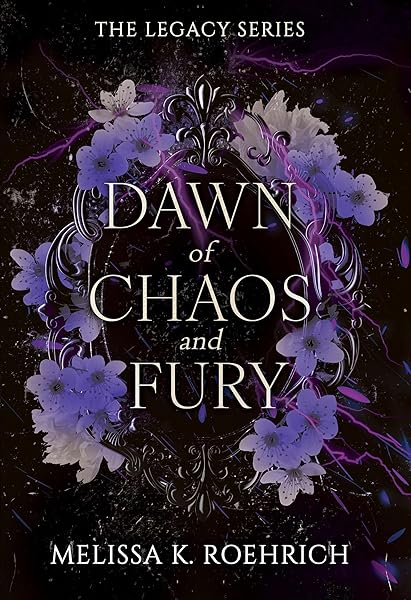
Dawn of Chaos and Fury (The Legacy Book 4)
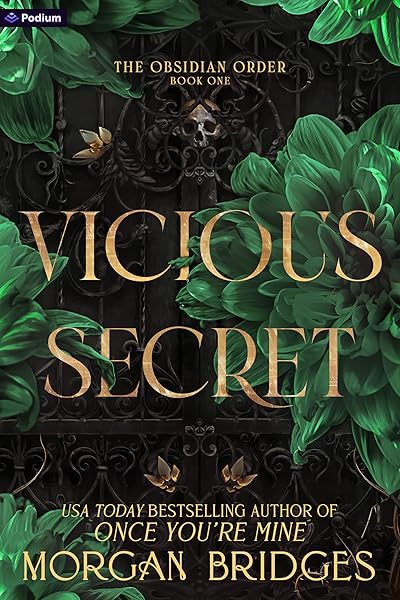
Vicious Secret: A Dark Romance (The Obsidian Order Book 1)
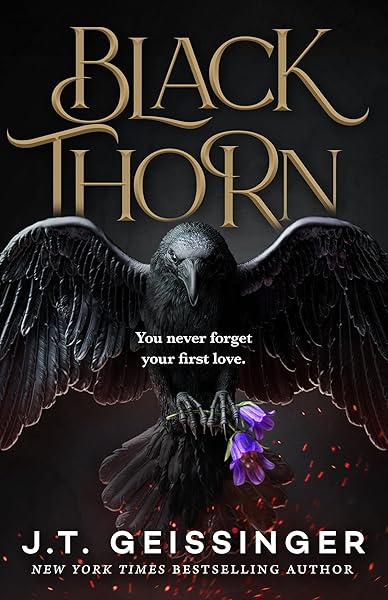
Blackthorn: A Dark Gothic Romance
Romance Tropes: The Engine of Fiction Sales
Romance is the most trope-driven genre in publishing. Readers do not just tolerate tropes — they actively search by trope. Amazon's romance categories include trope-based keywords, and BookTok videos categorize recommendations by trope combination rather than by author or title.
The dominant romance tropes in our bestseller data:
Enemies to Lovers leads by a wide margin. The enemies-to-lovers pipeline — initial hostility → forced interaction → grudging respect → attraction → confession → resolution — is the most reliable commercial engine in romance. It works because the tension is built into the premise. Every scene between the two leads crackles with dual-coded energy: anger or attraction?
Forced Proximity is the second most common romance trope and frequently combines with enemies to lovers. "One bed" has become a meme, but the underlying mechanic is powerful: characters who would not choose to be together are thrown together by circumstance. The proximity removes the option to retreat, forcing emotional confrontation.
Fae Romance / Romantasy has surged from niche to mainstream since 2020. Sarah J. Maas, Holly Black, and Elise Kova demonstrated that readers want romance with the emotional intensity of fantasy — stakes that include death, kingdoms, and immortality alongside the love story.
Second Chance leverages built-in emotional weight. When former lovers reunite, the reader knows there is history, pain, and unresolved feelings. This trope is especially popular in contemporary romance where the settings are realistic and the emotions feel immediately relatable.
Billionaire / Power Dynamic continues to perform commercially despite occasional critical pushback. The appeal is aspiration combined with the fantasy of being pursued by someone with unlimited resources. This trope has evolved to include CEO, mafia, athlete, and rock star variants.
Tip: The most successful romance authors combine 2–3 tropes per book. "Enemies to lovers + forced proximity + one bed" is a proven combination. "Second chance + small town + single parent" is another. The trope combination is your book's unique selling proposition — it tells readers exactly what they are getting.
Romance: trope-driven discovery
Contemporary: second chance + forced proximity

The Mysterious Bakery on Rue de Paris: An Enchanting and Escapist Novel from the Internationally Bestselling author of The Lost Bookshop for 2025

The Butcher (Fifth Republic Series Book 1)
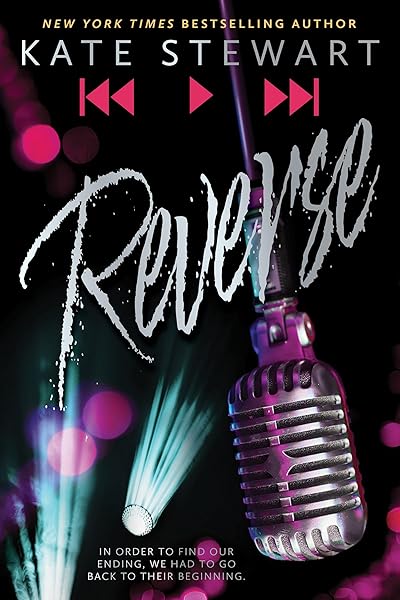
Reverse (Bittersweet Symphony Duet)

Cowboy Casual (The Calloway Ranch Series Book 1)

Vows We Never Made: A Grumpy Sunshine Romance (The Blackthorn Inheritance Book 1)

Here and Now (Ember Falls Book 2)
Fantasy Tropes: Worldbuilding Meets Emotion
Fantasy tropes operate on two axes: worldbuilding tropes (magic systems, chosen one, quest) and character tropes (found family, enemies to lovers, morally gray protagonist). The bestsellers combine both — a richly built world inhabited by characters whose emotional arcs use recognizable trope structures.
Magic Systems are the most distinctive fantasy trope. Readers of epic and high fantasy expect a magic system with rules, limitations, and consequences. Brandon Sanderson's laws of magic have become gospel, but the commercial reality is simpler: readers want magic that feels fair. If the hero wins by pulling a new power out of nowhere, readers feel cheated. If the magic has established rules and the hero wins by cleverly applying them, readers feel satisfied.
Fae Romance has merged fantasy with romance into the "romantasy" category that now generates more revenue than traditional epic fantasy. The fae setting provides danger, immortality, and otherworldly beauty — all of which amplify romantic tension. Books like A Court of Thorns and Roses have 19.4 million Goodreads ratings in the fantasy ecosystem, proving the commercial power of this fusion.
Found Family is the emotional core of many fantasy bestsellers. The fellowship, the crew, the band of misfits — readers bond with these ensembles because the found family trope promises belonging, loyalty, and sacrifice. It works equally well in epic fantasy (Tolkien's Fellowship), urban fantasy (Dresden Files' supporting cast), and YA fantasy (Six of Crows).
Chosen One remains commercially viable despite being frequently criticized as cliché. The key is subversion or complication. The chosen one who does not want the role, the chosen one who might be the villain, the prophecy that was mistranslated — these twists keep the trope fresh while preserving its core appeal: a character whose choices matter on a cosmic scale.
Quest / Journey is the structural trope that underpins most epic fantasy. The physical journey mirrors the character's internal growth. It provides a natural story structure (departure → trials → transformation → return) that readers find deeply satisfying because it maps onto Joseph Campbell's monomyth — a pattern embedded in storytelling since Homer.
Fantasy bestsellers: magic systems + found family dominate

On Wings of Blood: A Novel (Bloodwing Academy Book 1)
Rain of Shadows and Endings (The Legacy)
A Tongue so Sweet and Deadly (The Compelling Fates Saga)

Shield of Sparrows: An Enemies-to-Lovers Epic Romantasy

We Who Will Die: An Epic Romantasy of Forbidden Love, Deadly Secrets, and Vampires in a High-Stakes Arena, Discover a Vividly Reimagined Ancient Rome (Empire of Blood Book 1)
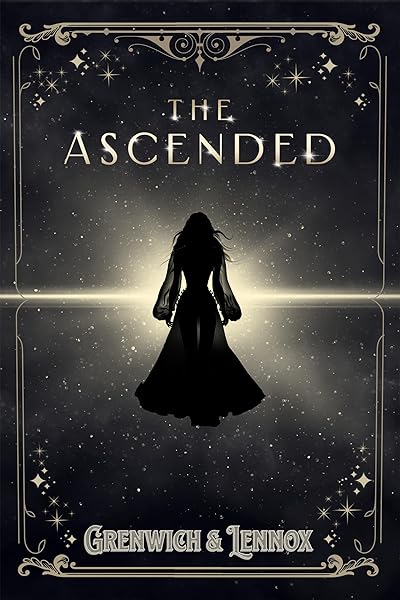
The Ascended (The Aesymarean Duet)

Hollow (Crown of Hearts and Chaos Book 1)

Eldritch (The Eating Woods)
Thriller & Mystery Tropes: Tension as Currency
Thrillers and mysteries use tropes differently than romance or fantasy. Where romance tropes promise an emotional experience and fantasy tropes promise a world, thriller tropes promise a tension structure — a specific pattern of revelation, deception, and resolution.
Unreliable Narrator is the defining thriller trope of the last decade. Since Gillian Flynn's Gone Girl (2012) proved that readers will buy in massive numbers to be deceived, the unreliable narrator has become the most commercially reliable thriller device. The appeal is interactive — readers are not just following a story, they are trying to solve a puzzle. Every sentence becomes potentially suspicious.
Domestic Thriller / "The Husband/Wife Did It" has generated more bestsellers since 2020 than any other thriller subcategory. The premise — danger lurking within a marriage, a family, a seemingly safe home — taps into primal anxiety. Authors like Freida McFadden, who prices her thrillers at $4.99 and has amassed millions of Goodreads ratings, have built entire brands on this trope.
Locked Room / Isolated Setting — characters trapped in a confined space (island, snowbound hotel, luxury train, remote estate) with a killer among them. The constraint creates natural tension and eliminates the escape option that would deflate suspense in an open setting. This trope has seen a commercial resurgence through books like The Maid and One of Us Is Lying.
Cold Case / Dual Timeline — a present-day investigation uncovers a past crime, with chapters alternating between timelines. This trope gives readers two mysteries for the price of one and creates satisfying moments when past and present converge. It is particularly popular in mystery and literary thriller.
Missing Person — someone has disappeared and the search reveals uncomfortable truths about the missing person, the searchers, or both. This trope's commercial success stems from its built-in escalation: each revelation about the missing person raises the stakes and complicates the reader's sympathies.
Thriller: unreliable narrators + domestic tension


Horror & Sci-Fi Tropes: Fear and Wonder
Horror tropes revolve around specific fear vectors — the source and nature of the threat. The most commercially successful horror tropes tap into fears that readers recognize from their own lives, then amplify them to supernatural or extreme proportions.
Haunted House / Cursed Location remains the single most commercially reliable horror trope. The home — a place of safety — becomes the source of danger. This trope's endurance across centuries (from The Haunting of Hill House to The Amityville Horror to modern hits like House of Leaves) proves its deep psychological resonance.
Cosmic Horror / Unknowable Evil — threats that are beyond human comprehension. Lovecraft invented it, but modern authors have evolved it beyond Lovecraft's limitations. The commercial appeal is the vertigo of confronting something that operates on a scale where human concerns are irrelevant.
Folk Horror / Rural Dread has surged commercially since 2020, driven partly by films like Midsommar and the broader cultural anxiety about isolation. The trope places characters in rural or small-town settings where ancient traditions and hidden cults create slowly escalating dread.
Science fiction tropes differ fundamentally — they sell wonder and speculation rather than fear:
First Contact / Alien Encounter — humanity meets an intelligence that is genuinely alien. The commercial success of Project Hail Mary and Children of Time shows that readers crave optimistic first contact stories as much as threatening ones.
AI / Technological Singularity — stories exploring artificial intelligence, consciousness, and the implications of creating minds more capable than our own. This trope has obvious real-world relevance in 2026, which drives reader interest.
Space Opera / Grand Scale — epic stories spanning galaxies, civilizations, and centuries. The scale itself is the draw. Space opera readers want awe, and they are willing to read 500+ page books to get it.
Horror: 60% KU, fear-driven tropes

The First Witch of Boston: A Novel
On Wings of Blood: A Novel (Bloodwing Academy Book 1)
We Who Will Die: An Epic Romantasy of Forbidden Love, Deadly Secrets, and Vampires in a High-Stakes Arena, Discover a Vividly Reimagined Ancient Rome (Empire of Blood Book 1)
The Ascended (The Aesymarean Duet)
Eldritch (The Eating Woods)
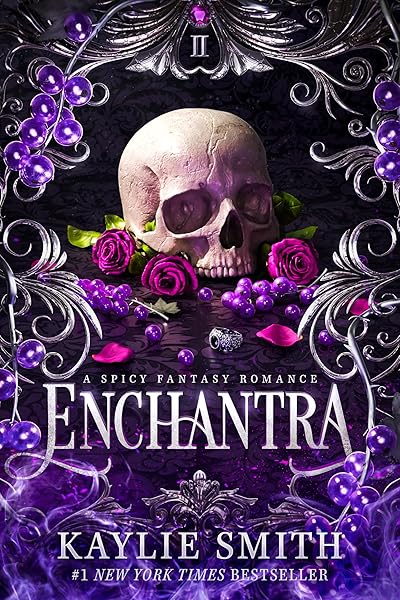
Enchantra: A spicy fantasy romance (Wicked Games Book 2)
Sci-Fi: wonder + speculation
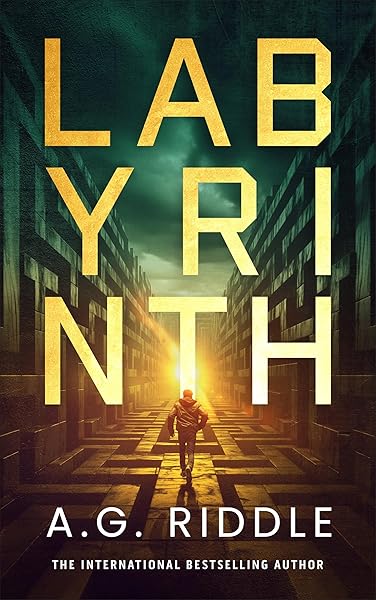
Labyrinth

Non-Human Origin: A Science-Fiction Thriller (The Non-Human Chronicles Book 1)
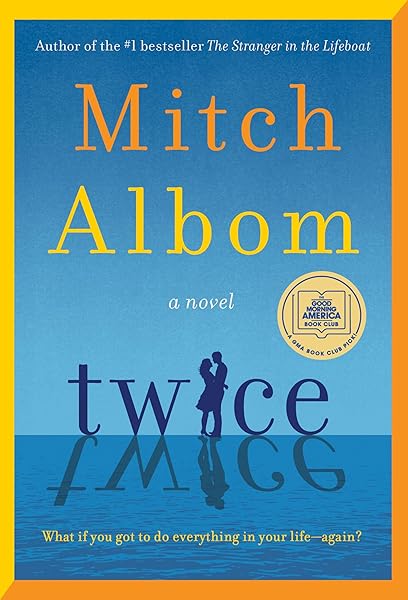
Twice: A GMA Book Club Pick
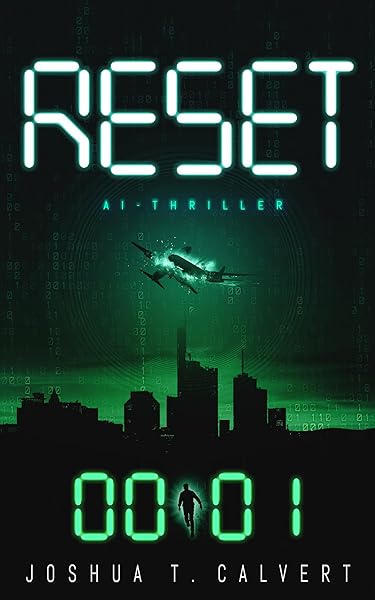
RESET: Science Fiction Thriller
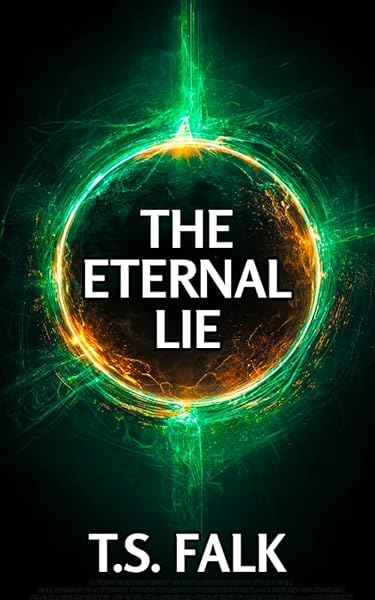
THE ETERNAL LIE: A Science Fiction Thriller (The Secret History Book 1)

2026 SciFi Anthology: The Science Fiction Novelists (The Science Fiction Novelists SciFi Anthology Series Book 6)
Rising Tropes: What Is Gaining Momentum in 2025–2026
Trope popularity shifts over time. Some tropes are ascending — gaining market share and reader mindshare — while others are plateauing or declining. Understanding these trends helps you position your next book ahead of the curve rather than behind it.
Rising: Romantasy (Fantasy + Romance fusion)
The biggest trend in fiction publishing. Books that combine full fantasy worldbuilding with a central romance arc are outselling both pure fantasy and pure romance in many categories. Sarah J. Maas, Rebecca Yarros (Fourth Wing), and Holly Black have proven that readers do not want to choose between adventure and romance — they want both. If you write fantasy, adding a strong romantic subplot is the single highest-ROI change you can make.
Rising: Morally Gray Protagonists
The "gray morality" wave that started in grimdark fantasy has spread to romance (dark romance antiheroes), thriller (sympathetic villains), and even cozy mystery (protagonists who bend rules). Readers in 2026 want complexity, not simplicity. The morally gray protagonist promises a more nuanced reading experience.
Rising: Cozy Fantasy
The counterpoint to grimdark. Cozy fantasy features low-stakes, warm, comfort-focused stories set in fantasy worlds — think a bakery run by a retired adventurer, or a small-town witch solving gentle mysteries. Travis Baldree's Legends & Lattes launched this subgenre into mainstream success, and it has grown rapidly since. The audience wants escapism without trauma.
Rising: Spicy Fantasy (high heat + fantasy worldbuilding)
A subset of romantasy that leans into explicit romantic content within a fantasy setting. This trope has gone from niche to mainstream on BookTok, where "spicy" has become a primary book categorization alongside genre. Authors who deliver both compelling fantasy plots and high-heat romance scenes are capturing readers from both the romance and fantasy audiences.
Stable: Enemies to Lovers, Found Family, Unreliable Narrator
These tropes are not trending up or down — they are established commercial pillars. They appear consistently on bestseller lists year after year. Using them is not chasing a trend; it is building on a proven foundation.
Romantasy and cozy fantasy: the fastest-growing subgenres
On Wings of Blood: A Novel (Bloodwing Academy Book 1)
Rain of Shadows and Endings (The Legacy)
A Tongue so Sweet and Deadly (The Compelling Fates Saga)
Shield of Sparrows: An Enemies-to-Lovers Epic Romantasy
We Who Will Die: An Epic Romantasy of Forbidden Love, Deadly Secrets, and Vampires in a High-Stakes Arena, Discover a Vividly Reimagined Ancient Rome (Empire of Blood Book 1)
The Ascended (The Aesymarean Duet)
Hollow (Crown of Hearts and Chaos Book 1)
Eldritch (The Eating Woods)
Declining Tropes: What Is Losing Momentum
No trope truly "dies" — but some tropes become oversaturated, and readers start gravitating toward fresher alternatives. These tropes are not commercially dead, but they are harder to differentiate in than they were 2–3 years ago.
Declining: Pure Alpha Male (without complexity)
The one-dimensional alpha male billionaire who is possessive, aggressive, and emotionally unavailable was the dominant romance hero archetype from 2015–2022. Readers have shifted toward alpha males who are also emotionally intelligent, or toward morally gray heroes who have genuine depth. The trope still sells, but it sells better with added complexity.
Declining: Straightforward Vampire/Werewolf Romance
After the Twilight era (2008–2012) and the subsequent urban fantasy boom, traditional vampire and werewolf romance has plateaued. The paranormal romance category still exists, but fae romance has captured much of its audience. Readers want the supernatural element but prefer fresh mythologies over well-worn vampires.
Declining: Dystopian YA
The post-Hunger Games wave of YA dystopia has largely subsided. The trope still appears, but readers have moved toward fantasy, contemporary, and "dark academia" settings. If you are writing dystopian, you need a genuinely novel premise to stand out in a category where readers feel they have "seen it all."
Declining: Generic "Girl on the Train" Domestic Thriller
The early domestic thriller boom (2015–2020) produced hundreds of "woman discovers her husband's secret" novels. The category remains commercially viable, but readers now expect a twist on the formula — an unreliable narrator who is also the villain, a domestic setup that turns supernatural, a thriller that blends genres. The straightforward "husband did it" reveal no longer satisfies readers who have read thirty versions of the same twist.
Trope Combinations That Work: The Data Pairs
Individual tropes sell. But the most commercially successful books combine two or three tropes into a unique pairing that gives readers something familiar (the trope) with something specific (the combination). Here are the trope pairs that appear most frequently among our 2,500+ bestsellers.
Enemies to Lovers + Forced Proximity — The most powerful romance combination. The forced proximity guarantees interaction, and the enemies dynamic guarantees tension. Every scene has built-in conflict because the characters cannot escape each other and they have reason to clash.
Fae Romance + Enemies to Lovers — The ACOTAR formula that launched a subgenre. The fae setting provides stakes (immortality, political intrigue, magical danger) while the enemies-to-lovers dynamic provides the emotional core. This combination has generated more BookTok content than any other in 2024–2026.
Unreliable Narrator + Dual Timeline — The literary thriller formula. Present-day events are narrated unreliably while flashback chapters reveal a different truth. Readers get the pleasure of being deceived in real-time while also piecing together the historical puzzle.
Found Family + Quest/Journey — The classic fantasy combination. A group of misfits comes together on a journey and becomes family. Tolkien established this template, and it remains the most commercially successful structure for epic fantasy because it delivers both worldbuilding wonder and emotional connection.
Magic System + Morally Gray Protagonist — The modern fantasy combination that drives sales of "hard magic" fantasy. A complex magic system operated by a protagonist who uses it for ethically questionable purposes. This combination appeals to readers who want both intellectual engagement (how the magic works) and emotional complexity (should the hero be using it this way?).
Haunted House + Family Secrets — The horror combination that bridges genre fiction and literary fiction. A family moves into a house, and the supernatural phenomena parallel the family's hidden trauma. This combination has crossover appeal because it works on both a literal (ghost story) and metaphorical (family drama) level.
Tip: When you outline your next book, choose your trope combination before you choose your plot. The tropes define the emotional promise of your book. The plot is how you deliver on that promise. Use the Plot Generator to build a story structure around your chosen tropes.
How to Use Trope Data in Your Writing
Trope data is a compass, not a cage. Here is how to use the information in this article to improve your commercial prospects without compromising your creative vision.
1. Research before you outline. Before starting your next book, spend 30 minutes on Dear Pantser's Market Analysis looking at your genre's top books. What tropes appear in the bestselling synopses? What trope combinations are underserved? Is there a rising trope in your genre that you could authentically incorporate?
2. Lead with tropes in your marketing. Your book's cover, title, and blurb should signal its tropes clearly. Romance readers search Amazon for "enemies to lovers fantasy romance." If your book fits that description but your blurb does not mention it, you are invisible to those readers. The Blurb Writer can help you craft descriptions that highlight your tropes naturally.
3. Combine, do not copy. The bestsellers in your genre are using specific trope combinations. Your job is not to clone them — it is to find a different combination that serves the same emotional needs. If the top 10 dark romances all use enemies-to-lovers + forced proximity, try enemies-to-lovers + forbidden relationship or dark antihero + second chance.
4. Your cover should signal your tropes. A fae romance cover should look different from a contemporary romance cover, even though both are romance. Typography, color palette, and imagery all communicate trope expectations. Generate covers that match your specific trope combination, not just your genre.
5. Track what is rising. The trope landscape shifts over 6–12 month cycles. What is trending on BookTok today will hit the bestseller lists in 3–6 months. Pay attention to reader conversations, not just current bestsellers. The next big trope combination is being discussed in book clubs and Goodreads groups right now, months before it dominates the charts.
Tropes are the language of commercial fiction. The authors who speak this language fluently — who understand what readers want and can deliver it with originality and craft — are the authors who appear on bestseller lists. The data does not lie: these tropes sell. Your job is to make them yours.
Next step: Explore your genre's market data to see which tropes dominate your specific niche. Then outline a story around a trope combination that excites you. The best books happen when commercial instinct meets genuine passion.
Bestsellers across genres — every one built on proven tropes


Explore Market Data by Genre
Browse real Amazon data for 40+ genres — prices, KU rates, tropes, and trends.
Open Market AnalysisRelated Articles
Uncover the most popular fantasy tropes with data-backed insights. Learn which elements resonate with readers and how to leverage them for your next bestseller.
Unlock the secrets to writing bestselling romance. Explore data-backed insights on popular romance tropes and how to leverage them for market success.
Data-driven analysis of 2,500+ bestselling book covers across 27 genres. Typography patterns, color palettes, image types, and what top sellers have in common.