
Romance Book Market Analysis (2026)
Data-driven romance market analysis: pricing, KU trends, top tropes, and sub-genre opportunities for indie authors in 2026.
Romance by the Numbers: Market Size in 2026
Romance is not just a genre — it is the economic engine of commercial fiction. With over 14 million books cataloged on Goodreads romance shelves alone (14,028,262 at last count), romance ranks as the third-largest genre by volume and the undisputed leader in fiction revenue. No other genre comes close in terms of reader spending, release velocity, or author earnings.
The numbers tell a clear story. Romance accounts for an estimated 30–40% of all fiction sales in the United States, a share that has remained remarkably stable even as the broader publishing industry has shifted. In 2026, that share is growing — not because other genres are shrinking, but because romance readers are consuming more books per month than readers in any other category.
Three forces are driving this growth simultaneously:
BookTok and social discovery. TikTok's book community (over 200 billion views on the #BookTok hashtag) is overwhelmingly romance-focused. A single viral review can push a backlist title to the top of Amazon's charts overnight. This has created a new discovery pipeline that bypasses traditional marketing entirely — and it disproportionately benefits indie authors who can react quickly to trends.
Kindle Unlimited. Amazon's subscription reading service has become the dominant distribution channel for romance. KU readers consume an average of 8–12 books per month, far more than buyers in any other genre. For indie romance authors, KU page reads often represent 60–80% of total revenue. The subscription model rewards prolific writers with loyal readerships — exactly the kind of career romance enables.
Indie publishing infrastructure. The tools available to indie romance authors in 2026 are radically better than even three years ago. AI-assisted cover design, automated formatting, one-click distribution to multiple retailers, and sophisticated advertising platforms have eliminated most of the friction that once made self-publishing a full-time operations job. Authors who once spent weeks on production can now focus that time on writing.
Perhaps most significantly, the sub-genre explosion continues to accelerate. What was once simply "romance" has fragmented into dozens of thriving micro-genres, each with its own conventions, reader expectations, and market dynamics. Dark romance, romantasy (romance + fantasy), why choose (reverse harem), monster romance, cozy romance, spicy contemporary — each of these categories can sustain a full-time author career, and new sub-genres are emerging every quarter. Our analysis of 2,500+ books across the market reveals just how diverse and opportunity-rich this landscape has become.
Top-selling romance covers on Amazon right now

Bad Bishop: A Dark Mafia Romance (Society of Villains Book 1)

Till Summer Do Us Part

Rewind It Back (Windy City Series Book 5)

Say You'll Remember Me

The Wild Card: a single dad hockey romance

Picking Daisies on Sundays

The Fall Risk: A Short Story

King of Depravity: Dark Steamy Mafia/Billionaire Romance (Kings of Las Vegas Book 1)

The Mysterious Bakery on Rue de Paris: An Enchanting and Escapist Novel from the Internationally Bestselling author of The Lost Bookshop for 2025

The Butcher (Fifth Republic Series Book 1)
Romance Sub-Genres: Where the Money Is
Not all romance is created equal — at least not from a market perspective. The sub-genre you choose determines your competition level, pricing power, reader expectations, and growth trajectory. Here is a data-informed breakdown of where the opportunities are in 2026.
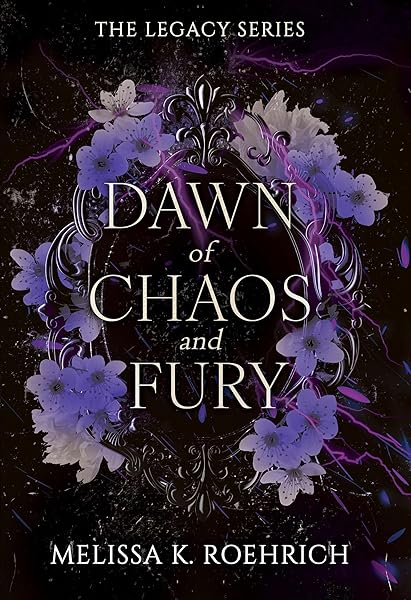
Dark Romance bestsellers


Contemporary Romance bestsellers
The Mysterious Bakery on Rue de Paris: An Enchanting and Escapist Novel from the Internationally Bestselling author of The Lost Bookshop for 2025
The Butcher (Fifth Republic Series Book 1)
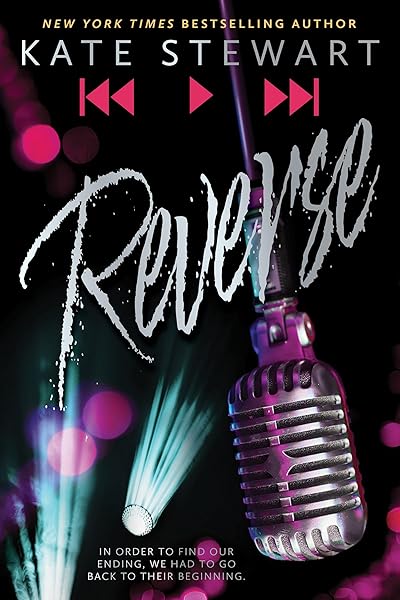
Reverse (Bittersweet Symphony Duet)

Cowboy Casual (The Calloway Ranch Series Book 1)

Vows We Never Made: A Grumpy Sunshine Romance (The Blackthorn Inheritance Book 1)

Here and Now (Ember Falls Book 2)
Contemporary Romance — Largest Volume, Most Competitive
Contemporary romance remains the biggest slice of the pie by raw volume. This includes rom-coms, workplace romance, small-town romance, sports romance, and the broad category of "modern-day love stories." If you picture a colorful illustrated cover with a witty title, you are picturing contemporary romance.
The market characteristics are well-established. Ebook pricing clusters around $3.99–$4.99 for full-length novels, with frequent promotional pricing at $0.99 or free for series starters. KU dominance is high but not absolute — many contemporary romance authors go "wide" (distributing across multiple retailers) successfully, particularly those with strong newsletter lists.
The challenge is saturation. Contemporary romance has the lowest barrier to entry and the highest volume of new releases. Standing out requires either a highly specific niche (e.g., hockey romance, which has surged in 2025–2026) or exceptional branding and marketing. New authors entering contemporary romance without a clear sub-niche angle face a long road to visibility.
Reader expectations: Relatable protagonists, emotional depth, humor (for rom-com), a satisfying HEA (happily ever after), and contemporary settings that feel authentic. Readers in this sub-genre have strong opinions about heat level and expect it to be clearly signaled on the cover and in the blurb.
Typography signals: Contemporary romance covers use modern, approachable fonts. Our data shows Lora + Montserrat as the dominant pairing — warm serif for the title, clean geometric sans for the author name. Bright, illustrated covers have largely replaced the photographic covers that dominated five years ago.
Dark Romance — Fastest Growing, Premium Pricing
Dark romance is the breakout story of 2024–2026. What was once a fringe sub-genre has exploded into mainstream romance, driven by BookTok virality and a reader appetite for morally complex love stories. Titles featuring antiheroes, captive scenarios, mafia settings, and "morally grey" protagonists are dominating bestseller lists.
The economics are compelling. Dark romance commands premium pricing — ebooks at $4.99–$5.99, print editions at $16.99–$18.99 (often with special edition sprayed edges, foil covers, and bonus content). Readers in this sub-genre are willing to pay more for a premium product, and they buy aggressively. Series with 3–5 books perform exceptionally well.
KU is strong in dark romance, but the sub-genre also supports wide distribution better than most romance categories. Many dark romance readers have a "buy and own" mentality, particularly for authors they follow — they want the physical shelf copy, not just a digital rental.
Reader expectations: High heat level, tension and power dynamics, morally complex characters, content warnings (readers expect them and appreciate them), and a redemption arc or emotional payoff that justifies the darkness. The line between "dark" and "too dark" is reader-specific, but the most successful dark romance authors are transparent about content.
Typography signals: Dark romance covers are immediately recognizable. Dark backgrounds (black, deep red, charcoal), bold display serifs like Abril Fatface + Raleway, and minimal imagery — sometimes just typography on a textured dark background. The visual message is "this romance has intensity."
Romantasy — The Breakout Trend for Younger Audiences
Romantasy — the fusion of romance and fantasy — has gone from BookTok buzzword to legitimate market category. Sparked by the success of Sarah J. Maas, Rebecca Yarros, and a wave of indie authors, romantasy now commands its own bestseller lists, dedicated reader communities, and a highly engaged audience skewing younger (18–30) than traditional romance.
Our trope data confirms the trend: "Magic/Fantasy World" and "Fae/Supernatural Beings" are among the top romance-adjacent tropes, appearing in 15 and 10 books respectively in our analyzed sample. These are not fantasy books with a romance subplot — they are romance books with fantasy worldbuilding, and readers expect both elements to be fully developed.
Pricing follows fantasy conventions more than romance: $4.99–$5.99 for ebooks, with print editions at $17.99–$19.99 (often with maps, glossaries, and illustrated endpapers). The premium pricing reflects both the length of these books (typically 90,000–130,000 words) and the production quality readers expect.
Reader expectations: A fully realized fantasy world, a central romance with real stakes, fated mates or enemies-to-lovers dynamics, magical systems that interact with the romance, and — critically — spice. Romantasy readers expect explicit romance scenes and are vocal about it. "Fade to black" romantasy exists but occupies a much smaller market share.
Typography signals: Romantasy covers borrow from both genres. Elegant serifs (Cinzel, Playfair Display) on fantasy-inspired artwork — typically illustrated rather than photographic. Gold foil effects, ornate frames, and jewel-tone color palettes are standard.
Historical Romance — Stable Niche, Loyal Readership
Historical romance (primarily Regency, but also Victorian, medieval, and Western) is the bedrock of the genre. It predates the modern romance market — Georgette Heyer was writing Regency romance in the 1920s — and its readership is deeply loyal, consistent, and resistant to trends.
The market is mature and stable. Growth is modest compared to dark romance or romantasy, but churn is low. Historical romance readers are voracious and series-loyal. A well-executed Regency series can generate consistent backlist revenue for years. The Bridgerton effect (Netflix adaptation of Julia Quinn's series) brought a wave of new readers to the sub-genre in 2020–2023, and many have stayed.
Pricing is standard romance: $3.99–$4.99 for ebooks, $14.99–$16.99 for print. KU is important but not as dominant as in contemporary romance — many historical romance readers buy from multiple retailers and value author direct sales.
Reader expectations: Period-accurate settings (readers will notice anachronisms), witty dialogue, social commentary woven into the romance, and a strong heroine who navigates the constraints of her era with intelligence. Heat level varies widely — from sweet (no explicit scenes) to steamy — and readers self-select aggressively based on cover signals and blurb language.
Typography signals: Ornate calligraphic scripts like Pinyon Script + Cormorant dominate. The typography must evoke the period — quill pens, wax seals, handwritten letters. Sans-serif fonts are essentially forbidden on historical romance covers; they immediately break the period illusion.
Paranormal and PNR — Cyclical, Currently Rising
Paranormal romance (PNR) — vampires, werewolves, shifters, and supernatural beings — runs in cycles. After peaking in the Twilight era (2008–2012) and declining through the mid-2010s, PNR is back on an upswing in 2025–2026, driven partly by the romantasy wave and partly by a renewed appetite for supernatural world-building.
The distinction between PNR and romantasy is blurring, which benefits both categories. A book about a woman who falls in love with a fae prince could be shelved as either — and readers browsing one category discover the other. This cross-pollination is expanding the total addressable market for both sub-genres.
Pricing is standard at $3.99–$4.99, and KU is the primary distribution channel for PNR. Series are essential — standalone PNR performs poorly because readers invest in the world and want to revisit it with different characters. Five-book series with interconnected couples (each book features a different pair from the same world) is the proven format.
Reader expectations: Supernatural world-building, fated mates, pack/coven dynamics, alpha heroes (though the definition of "alpha" has evolved significantly), and action scenes that integrate with the romance. Heat level is typically high.
RomCom — BookTok-Driven, Movie Tie-In Potential
Romantic comedy has been supercharged by BookTok and the resurgence of the rom-com movie (driven by streaming platforms hungry for adaptation-ready IP). Authors like Emily Henry, Ali Hazelwood, and Lynn Painter have demonstrated that a well-executed rom-com can cross over from genre success to mainstream cultural moment.
The market favors high concept — a premise that can be pitched in one sentence. "A romance author and a literary fiction author are forced to swap genres for the summer" (Beach Read). "A physicist uses the scientific method to find love" (The Love Hypothesis). These elevator pitches are inherently shareable, which is why rom-coms dominate BookTok.
Pricing is competitive: $2.99–$4.99 for ebooks. The audience is price-sensitive and expects frequent sales. Wide distribution works well for rom-coms because the audience overlaps with general fiction readers who browse multiple platforms.
Reader expectations: Laugh-out-loud humor, witty banter, a lovable (often clumsy or relatable) protagonist, low angst relative to other romance sub-genres, and a feel-good ending. Heat level is typically moderate — "closed door" to moderately spicy.
Kindle Unlimited: The Romance Engine
No discussion of the romance market is complete without addressing Kindle Unlimited — Amazon's subscription reading service that has fundamentally reshaped how romance is written, published, and monetized. KU dominates romance more than any other genre, and understanding its mechanics is essential for any indie author entering this market.
The economics are straightforward but powerful. KU pays authors per page read, typically $0.004–$0.005 per page (the exact rate fluctuates monthly). A 300-page romance novel read in full earns roughly $1.20–$1.50 per read. That may sound modest compared to a $4.99 ebook sale, but the volume changes the math entirely: KU readers consume 8–12 books per month, and they are far more willing to try new authors than buyers who pay per book.
For romance specifically, KU has created a volume-first business model. The most successful KU romance authors publish 4–8 books per year, build series that keep readers engaged across multiple titles, and price their catalog to maximize page reads rather than individual sales. First-in-series books are often priced at $0.99 or free outside of KU specifically to funnel readers into the subscription ecosystem.
The wide vs. exclusive decision is the most consequential strategic choice a romance author makes. Enrolling in KDP Select (required for KU) means exclusivity to Amazon for 90-day periods. Going "wide" means distributing across Amazon, Apple Books, Kobo, Barnes & Noble, Google Play, and others — but losing access to KU's massive reader base.
The data supports KU for most new indie romance authors. KU provides discovery that wide distribution cannot match — Amazon's recommendation algorithm actively surfaces KU books to subscribers. However, established authors with strong newsletter lists and direct-sales channels can earn more wide by capturing 100% of the sale price instead of the per-page rate.
Series performance in KU is dramatically better than standalone titles. A three-book series where readers finish book one and immediately start book two generates three times the page-read revenue of a standalone — and the read-through rate in romance is exceptionally high (60–80% for well-executed series). This is why the minimum viable entry into the KU romance market is a three-book series, not a single title.
The strategic calculus in 2026: start exclusive in KU to build readership and visibility, then consider going wide once you have a backlist of 6+ titles and a newsletter of 5,000+ subscribers. The rare exception is literary romance or crossover fiction that appeals to a non-Amazon audience — those books can perform well on Apple and Kobo from day one.
Tropes That Sell in 2026
In romance, tropes are not clichés — they are promises. A reader who sees "enemies to lovers" on a book's blurb or Amazon keywords knows exactly what emotional journey they are signing up for. The most successful romance authors do not avoid tropes; they lean into them and execute them with fresh characters and settings.
Our analysis of the romance market reveals clear patterns in what readers are searching for and buying in 2026:
Evergreen tropes (always selling):
Enemies to lovers — The dominant romance trope, period. The tension of antagonism transforming into attraction is the emotional engine of the genre. It works across every sub-genre: contemporary (workplace rivals), dark romance (captor/captive), romantasy (opposing kingdoms), historical (arranged marriages between rival families).
Forbidden love — Whether it is age gap, boss/employee, best friend's sibling, or rivals, the "we should not want each other" dynamic creates inherent tension that keeps pages turning. Our data shows "High-stakes Adventure" appearing in 15 books in our romance sample, often paired with forbidden love dynamics.
Second chance — Ex-lovers reunited, childhood sweethearts reconnecting, or couples separated by circumstance finding their way back. This trope has enduring appeal because it starts with an established emotional history rather than building from zero.
Fated mates — Dominant in PNR and romantasy, where supernatural bonds create an "it was always going to be you" inevitability. Our trope data shows "Fae/Supernatural Beings" appearing in 10 books in the romance sample, frequently paired with fated mate dynamics.
Trending tropes (rising in 2025–2026):
Morally grey heroes. The "bad boy" trope has evolved. Readers no longer want a rough exterior hiding a heart of gold — they want genuinely complex characters who do questionable things for understandable reasons. Dark romance has normalized this, and it is spreading to contemporary and romantasy.
"Who did this to you?" A specific moment (not a full trope) where the love interest discovers the protagonist has been hurt and reacts with protective fury. This has become a viral search term on BookTok and a genuine sales signal in blurbs.
Cinnamon roll heroes. The counterpoint to morally grey — soft, emotionally intelligent, overtly caring male leads. The "golden retriever boyfriend" archetype. Thriving in contemporary romance and rom-com.
Grumpy/sunshine. One partner is perpetually grumpy or reserved; the other is relentlessly cheerful. The contrast creates both humor and emotional depth as the grumpy character opens up.
Declining tropes (oversaturated or fading):
Billionaire romance — once the dominant contemporary romance trope, now oversaturated to the point of reader fatigue. New entries struggle to stand out. The exceptions are billionaire romance with a twist (e.g., billionaire + small town, billionaire + sports).
Pure instalove — immediate, unexplained attraction without buildup. Readers increasingly expect at least some friction or development before the characters fall for each other. Fated mates gets a pass because the supernatural bond provides the mechanism.
How to use tropes strategically: Your blurb should name your primary tropes explicitly. Amazon A+ content should list them. Your cover should visually signal the tone (dark background = dark romance, bright illustration = rom-com, period dress = historical). Tropes are how readers find books — hiding your tropes out of fear of being "formulaic" is leaving discoverability on the table.
Pricing Strategy for Romance
Romance pricing follows patterns that are more rigid than most genres. Readers have strong expectations about what a romance ebook should cost, and pricing outside the expected range — in either direction — can hurt sales.
Ebook pricing sweet spots:
$2.99–$4.99 is the core range for indie romance ebooks. Within this range, the positioning is strategic: $2.99 signals "emerging author, take a chance on me"; $3.99 says "established indie, professional quality"; $4.99 is reserved for authors with proven track records or books with strong pre-launch buzz. Most successful indie romance authors land at $3.99 for full-length novels (60,000–80,000 words).
$0.99 and free are promotional tools, not permanent prices. The dominant strategy is to price the first book in a series at $0.99 (or perma-free outside of KU) to drive reader acquisition, then price subsequent books at $3.99–$4.99. This "loss leader" approach works because romance read-through rates are high — 60–80% of readers who finish book one will buy book two at full price.
$9.99 box sets are a proven format for completed series. Bundling three or four books at $9.99 provides value to readers (equivalent to $2.50–$3.33 per book) while maximizing page reads in KU and generating strong per-transaction revenue for wide sales. Box sets also qualify for Amazon's daily deals and category promotions.
Print pricing:
$14.99–$16.99 for standard trade paperbacks (5.5" x 8.5"). Romance print sales have grown significantly since 2023, driven by BookTok's "shelfie" culture — readers want beautiful physical editions to display. Print represents 15–25% of total revenue for most indie romance authors, up from 5–10% five years ago.
$18.99–$24.99 for special editions with sprayed edges, foil stamping, stenciled edges, or illustrated endpapers. This is a growing segment, particularly in dark romance and romantasy, where collectors will pay a premium for a visually distinctive edition.
Traditional publishing comparison:
Traditionally published romance ebooks typically price at $7.99–$12.99 — significantly higher than indie prices. This creates an interesting dynamic: indie romance consistently undercuts trad-pub on price while offering comparable or superior production quality. The price gap is one reason indie authors dominate the romance bestseller lists, particularly in KU where the price difference is irrelevant (both are included in the subscription).
What NOT to do: Do not price a debut romance novel at $6.99+ — readers will not take the risk. Do not permanently price below $2.99 (except book one of a series) — it signals low quality and earns only the 35% royalty rate instead of 70%. Do not change prices erratically — price stability builds reader trust and simplifies advertising math.
Cover Design Trends in Romance
Typography matters more in romance than in any other genre. Romance readers are the most cover-literate audience in publishing — they can identify a sub-genre, heat level, and tone from a 200-pixel thumbnail in under two seconds. Getting your cover wrong does not just cost you a click; it attracts the wrong readers, who then leave negative reviews.
The illustrated cover revolution. The biggest visual shift in romance covers over the past three years has been the move from photographic stock images to custom illustration. Illustrated covers — particularly the "cartoon couple" style popularized by Emily Henry's covers — now dominate contemporary romance, rom-com, and an increasing share of romantasy. The advantages are clear: illustrations are unique (no other book shares your cover image), they reproduce well at thumbnail size, and they allow precise control over character appearance.
Dark romance: bold and minimal. Dark romance covers have established a distinctive visual language: dark backgrounds (black, charcoal, deep burgundy), bold serif titles like Abril Fatface, metallic accents (gold, silver, copper), and minimal imagery — sometimes nothing but typography on a textured background. The absence of character imagery lets the reader project their own visualization of the hero, which is strategically effective for the dark romance audience. The font pairing Abril Fatface + Raleway has become nearly standard for the sub-genre.
Contemporary romance: bright and approachable. Bright colors, illustrated characters in dynamic poses, playful typography, and clean layouts define contemporary romance covers in 2026. Script fonts have been largely replaced by warm serifs like Lora for titles, paired with Montserrat for author names. The overall effect should be "this book will make you smile" — even before the reader processes the title.
Historical romance: period-perfect elegance. Historical romance covers must transport the reader to a specific era. Ornate calligraphic scripts like Pinyon Script evoke handwritten correspondence and period documents. The color palette tends toward deep jewel tones (emerald, sapphire, ruby) or muted period-appropriate pastels. Author names in Cormorant reinforce the classical feel. Photography (period-dressed models in manor house settings) still works for historical romance, though illustrated covers are gaining ground.
Romantasy: the fantasy-romance hybrid look. Romantasy covers borrow visual language from both genres: fantasy-style illustrated artwork (maps, magical creatures, ornate weapons) with romance-style typography (elegant serifs, gold foil effects). Cinzel and Playfair Display are common title fonts. The covers are often more complex and detailed than standard romance — reflecting the worldbuilding investment these books represent.
General trends across all romance sub-genres:
Bold serif titles are replacing script fonts for readability at thumbnail size. Metallic foil effects (gold, rose gold, copper) continue to signal premium quality. Illustrated covers are expanding from contemporary into romantasy and even PNR. Minimalism — fewer elements, more white (or dark) space, larger typography — is the prevailing direction.
Romance cover design trends in action
Bad Bishop: A Dark Mafia Romance (Society of Villains Book 1)
Till Summer Do Us Part
Rewind It Back (Windy City Series Book 5)
Say You'll Remember Me
The Wild Card: a single dad hockey romance
Picking Daisies on Sundays
The Fall Risk: A Short Story
King of Depravity: Dark Steamy Mafia/Billionaire Romance (Kings of Las Vegas Book 1)
How to Enter the Romance Market in 2026
The romance market is enormous, welcoming, and — if approached strategically — one of the most viable genres for a new indie author to build a sustainable income. But "viable" does not mean "easy." Here is a practical roadmap based on what the data tells us about successful market entries.
1. Pick a sub-genre with room — do not start with broad contemporary romance.
The biggest mistake new romance authors make is writing "a contemporary romance" without a clear sub-niche. Broad contemporary is the most saturated category in all of fiction. Instead, target a specific intersection: small-town + grumpy/sunshine, hockey romance, dark academia romance, cozy fantasy romance. The more specific your positioning, the easier it is to become visible to your target readers. Use Dear Pantser's Market Analysis to identify sub-genres with strong demand and moderate competition.
2. Write a series — three books minimum for KU viability.
A standalone romance in KU is a gamble. A three-book series is a business. Your read-through rate (the percentage of book-one readers who buy book two) is the single most important metric for KU profitability. Successful series strategies: interconnected standalones (same world, different couples per book), direct sequels (same couple, escalating conflict), or a hybrid (books 1–3 are the main couple, book 4 is a side character's story).
3. Nail your tropes in the blurb.
Your blurb is not a plot summary — it is a trope delivery system. Romance readers scan blurbs for trope keywords: enemies to lovers, forced proximity, only one bed, grumpy/sunshine, fated mates. If your blurb does not signal the tropes within the first two sentences, you are losing readers who would love your book but cannot identify it as their kind of story. Front-load the tropes. Be explicit.
4. Your cover must signal sub-genre instantly.
We covered the typography conventions above, but it bears repeating: your cover's job is not to be "pretty" — it is to be correctly categorized by a reader scrolling Amazon at 2 AM. Dark background + bold serif = dark romance. Bright illustration + warm serif = contemporary. Ornate script + period imagery = historical. Every element (font, color, imagery, layout) must point to the same sub-genre. Mixed signals lose readers.
5. Build an ARC team before launch.
An Advance Reader Copy (ARC) team of 20–50 readers who receive free copies in exchange for honest reviews is essential for launch visibility. Amazon's algorithm weighs early reviews heavily in ranking decisions. A book that launches with 15–20 reviews in the first week will outperform one that trickles reviews over months. Build your ARC team through social media (BookTok, Bookstagram, reader Facebook groups), newsletter swaps with other romance authors, and ARC distribution platforms like BookSirens or StoryOrigin.
6. Use data to find underserved niches.
The romance market is big enough that pockets of unmet demand exist at all times. A sub-genre might have passionate readers but not enough new releases. A trope combination might be trending on BookTok but underrepresented on Amazon. The authors who find these gaps early build readerships before the competition arrives. Dear Pantser's Market Analysis tool lets you explore niche data, trope popularity, and competition levels across the romance landscape — so you can make informed decisions about where to publish, not guesses.
The bottom line: Romance is not a genre you "test" with one book. It is a genre you commit to with a series, a brand, and a clear sub-niche identity. The authors who treat it as a business — tracking their tropes, optimizing their covers, publishing consistently, and engaging with their readers — are the ones building full-time incomes. The market has room for you. The question is whether you are willing to do the work the market rewards.
Explore Market Data by Genre
Browse real Amazon data for 40+ genres — prices, KU rates, tropes, and trends.
Open Market AnalysisRelated Articles
Navigate the 2026 contemporary romance book market with data-driven insights. Discover reader trends, subgenre shifts, and actionable strategies for indie authors.
Data-driven analysis of 2,500+ bestselling book covers across 27 genres. Typography patterns, color palettes, image types, and what top sellers have in common.
Data-driven book pricing strategy by genre. We analyzed 2,500+ bestsellers to find the price sweet spots for romance, fantasy, thriller, and more.