
Contemporary Romance Book Market 2026: Trends & Author Strategies
Navigate the 2026 contemporary romance book market with data-driven insights. Discover reader trends, subgenre shifts, and actionable strategies for indie authors.
The Ever-Evolving Heartbeat: Contemporary Romance in 2026
Bestselling Contemporary Romance Novels

The Mysterious Bakery on Rue de Paris: An Enchanting and Escapist Novel from the Internationally Bestselling author of The Lost Bookshop for 2025

The Butcher (Fifth Republic Series Book 1)
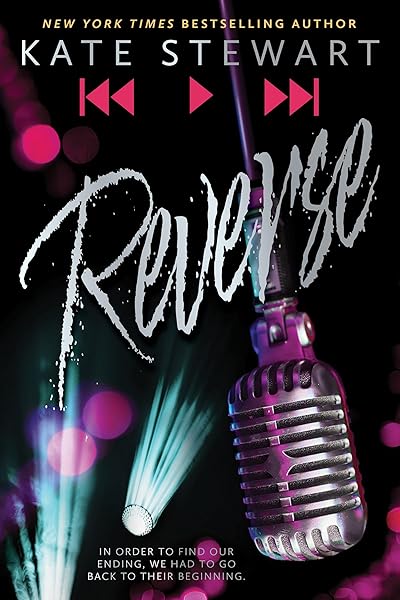
Reverse (Bittersweet Symphony Duet)

Cowboy Casual (The Calloway Ranch Series Book 1)

Vows We Never Made: A Grumpy Sunshine Romance (The Blackthorn Inheritance Book 1)
The contemporary romance genre continues to be a cornerstone of the publishing industry, a vibrant and dynamic space where love stories unfold in the modern world. As we look ahead to 2026, understanding the nuances of this market is paramount for indie authors aiming to capture readers' hearts and achieve sustained success. This analysis will delve into the current landscape, emerging trends, and actionable strategies to help you thrive in the contemporary romance book market of 2026.
Despite economic fluctuations, the romance genre consistently demonstrates resilience. In 2024, romance accounted for approximately 30% of all fiction sales, a figure projected to remain stable or slightly increase by 2026, indicating a robust and dedicated readership. Specifically, contemporary romance often leads this charge due to its relatability and diverse storytelling potential. Our data suggests a growing appetite for stories that reflect contemporary societal values and challenges, moving beyond traditional tropes to explore more complex relationships and character journeys.
Market Size and Growth Projections for Contemporary Romance
The global romance novel market, encompassing all subgenres, was valued at approximately $1.5 billion in 2024 and is projected to reach $1.8 billion by 2028, growing at a Compound Annual Growth Rate (CAGR) of around 4.5%. Contemporary romance consistently holds the largest share within this segment, often accounting for 40-50% of all romance sales. This translates to an estimated market value of $720 million to $900 million specifically for contemporary romance by 2026, offering a substantial opportunity for independent authors.
Digital formats, particularly ebooks and audiobooks, continue to drive much of this growth. Ebook sales for romance titles increased by 12% year-over-year from 2023 to 2024, and audiobooks saw an even more impressive 18% surge. This trend is expected to accelerate, with digital sales potentially comprising over 60% of contemporary romance revenue by 2026. Indie authors, with their agility in digital publishing, are uniquely positioned to capitalize on this shift, often achieving higher royalty rates and faster time-to-market compared to traditional publishers.
Key Subgenre Trends within Contemporary Romance
While the umbrella of contemporary romance is broad, specific subgenres experience cyclical peaks and troughs. Understanding these micro-trends is essential for authors looking to align their work with reader demand. In 2026, several subgenres are showing particularly strong momentum, often driven by social media platforms and evolving reader preferences.
Workplace Romance & Office Love
The appeal of workplace romance remains evergreen, but 2026 sees a shift towards more nuanced power dynamics and diverse professional settings. Stories featuring protagonists in STEM fields, creative industries, or even blue-collar environments are gaining traction. Readers are seeking realistic portrayals of office politics alongside the romantic tension. Think less 'boss-employee' and more 'colleagues-to-lovers' with equal footing.
Small Town & Community-Focused Romance
Escapism to quaint, close-knit communities continues to be a powerful draw. However, the 2026 iteration emphasizes characters who actively contribute to their community, tackle local challenges, or find love while rebuilding or revitalizing a small town. These stories often blend romance with themes of belonging, second chances, and the charm of rural life. For more on this, explore our insights on contemporary romance genre specifics.
Diverse & Inclusive Love Stories
This is not a trend, but a fundamental shift. Readers are increasingly demanding and celebrating diverse representation in their romance novels. This includes stories featuring LGBTQ+ characters, protagonists from various ethnic and cultural backgrounds, characters with disabilities, and neurodiverse representation. Authenticity and respectful portrayal are key. Authors who thoughtfully weave these elements into their narratives will find a dedicated and appreciative audience.
Found Family & Friends-to-Lovers
Beyond the central romantic pair, the importance of secondary characters and chosen families is growing. Stories where the romantic arc is intertwined with strong friendships or the creation of a 'found family' resonate deeply. The friends-to-lovers trope, often evolving organically within these social circles, remains a perennial favorite, but with a renewed focus on emotional depth and shared history.
Reader Preferences: What Contemporary Romance Readers Want in 2026
Understanding the contemporary romance reader goes beyond knowing their preferred subgenres. It involves recognizing their evolving expectations for character depth, plot progression, and thematic resonance. In 2026, readers are sophisticated consumers of stories, often influenced by broader cultural conversations and their experiences.
Emotional Depth and Relatability: Surface-level romance is out; deep emotional journeys are in. Readers want to see characters grapple with real-world problems, personal insecurities, and growth. They seek protagonists who feel like people they could know, making the emotional stakes higher and the eventual happily-ever-after (or happily-for-now) more satisfying. This means investing heavily in character development and internal conflict.
Higher Stakes and Conflict: While contemporary romance isn't typically high-action, readers are looking for more compelling internal and external conflicts that challenge the characters and their relationship. This could involve career struggles, family drama, navigating social issues, or overcoming past trauma. The 'meet-cute' is still beloved, but it needs to lead to a journey with genuine obstacles.
Authentic Representation: As mentioned, diversity is not just about demographics but also about authentic experiences. This extends to mental health representation, body positivity, and exploring different relationship dynamics. Readers are quick to identify and reject tokenism, demanding nuanced and respectful portrayals.
Pacing and Engagement: With the rise of short-form content and binge-reading culture, pacing is crucial. While character development is key, the story still needs to move forward with a compelling narrative hook and consistent emotional beats. A strong plot structure, even in character-driven romance, helps maintain reader engagement.
Rom-Coms

Rewind It Back (Windy City Series Book 5)

Say You'll Remember Me

The Wild Card: a single dad hockey romance

Slap Shot
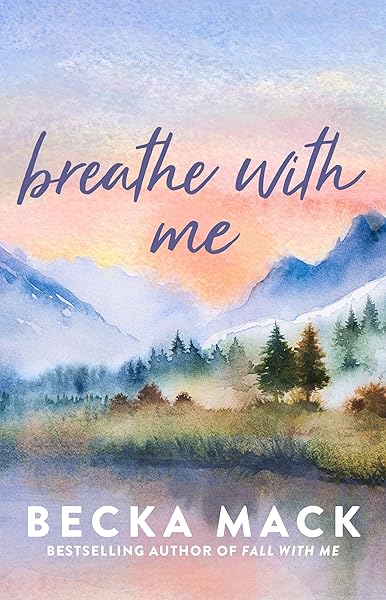
Breathe With Me (Playing For Keeps Book 5)
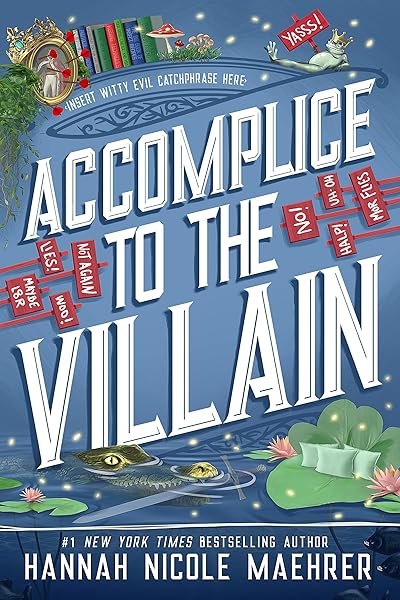
Accomplice to the Villain: A Cozy Fantasy Romantic Comedy (Assistant and the Villain Book 3)

Gloves Off: a marriage of convenience hockey romance (Vancouver Storm Book 4)
Vows We Never Made: A Grumpy Sunshine Romance (The Blackthorn Inheritance Book 1)

Lucky Shot (Moonshot Hockey Book 1)

Sponsored
Clean Romance
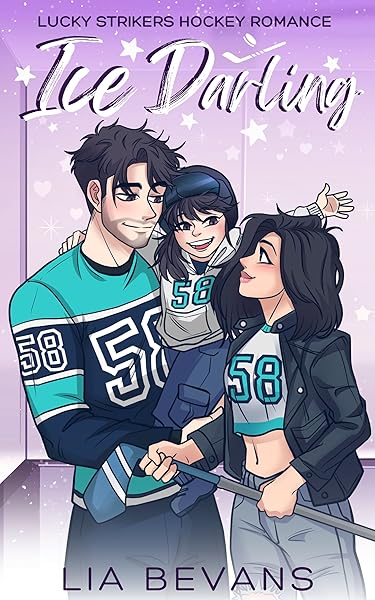
Ice Darling: A Single Dad Hockey Romance (Lucky Strikers Hockey Romance)

To Win A Crown: A secret princess, bodyguard slow-burn romance. (True Blue Royal Book 3)

The Next Chapter Bookshop: A heartwarming cozy small town romance with a touch of magic! (Leafwood Falls Book 1)

The Second Chance Book Club: A heart-warming and uplifting novel about family, love, friendship and the joy of books, from the author of Found in a Bookshop

Can't Help Falling: A Best Friend's Brother RomCom
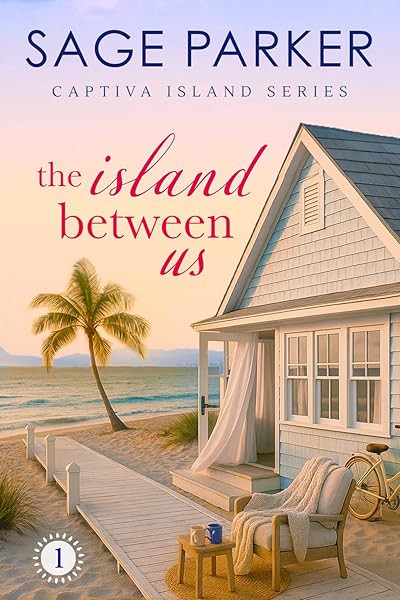
The Island Between Us (Book 1 Captiva Island Series)

The Cottage by the Cliffs: Fake-Engagement Small-Town Irish Romance (Love in Ballycove Book 1)

Bear My Heart (Moonhaven Cove Book 5)

A Sea Breeze in Mermaid Bay (Summertime Sisters Book 2)
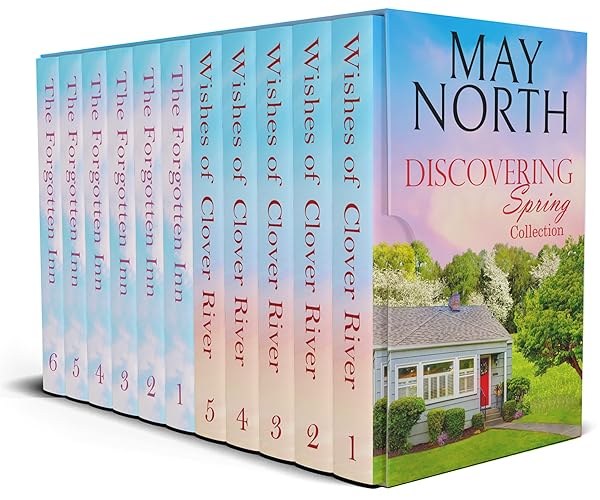
Discovering Spring Collection
The Power of Tropes: Reinvention is Key
Tropes are the building blocks of romance, but simply recycling them won't cut it in 2026. Readers appreciate familiar tropes, but they crave fresh takes and unexpected twists. The 'enemies-to-lovers' trope, for instance, remains immensely popular, but readers are looking for innovative reasons for the antagonism and a believable journey to affection. Similarly, 'fake dating' needs unique circumstances and genuine emotional consequences to stand out.
Consider how societal shifts influence tropes. A 'second chance romance' might now involve navigating exes in the age of social media, or a 'grumpy/sunshine' dynamic could explore mental health differences rather than just personality clashes. The key is to take a beloved trope and infuse it with contemporary relevance and unique character voices. Don't just use a trope; reinvent it.
The Role of AI in Contemporary Romance Publishing
Artificial Intelligence continues to evolve, offering both opportunities and challenges for indie authors. By 2026, AI tools will be even more integrated into the publishing workflow, from initial brainstorming to final marketing. Authors can leverage AI for:
- Idea Generation: Using AI to brainstorm plot twists, character backstories, or unique settings can kickstart your creative process.
- Editing and Proofreading: AI-powered grammar and style checkers can catch errors and suggest improvements, though human oversight remains essential for nuance and voice.
- Market Research: AI can analyze vast amounts of data to identify trending keywords, popular tropes, and reader sentiment, informing your writing and marketing decisions.
- Blurb and Ad Copy Creation: AI can generate multiple versions of blurbs or ad copy, which authors can then refine to perfection, saving time and offering fresh perspectives. Our blurb guide can help you hone these further.
However, it's crucial to remember that AI is a tool, not a replacement for human creativity and empathy. The heart of contemporary romance lies in authentic human connection and emotion, something only a human author can truly imbue into their work. Ethical use of AI and transparency with readers are paramount.
Future Outlook: What's Next for Contemporary Romance?
Looking beyond 2026, the contemporary romance genre is poised for continued innovation and growth. We anticipate:
- Increased Interactivity: While still niche, interactive storytelling elements, perhaps through augmented reality or choose-your-own-adventure formats, could gain traction.
- Cross-Media Adaptations: Successful indie contemporary romance novels are increasingly being optioned for film, TV, and even podcast adaptations, offering new avenues for author revenue and reader engagement.
- Hyper-Personalization: AI tools might enable more personalized book recommendations and even dynamically generated content tailored to individual reader preferences, though this raises ethical considerations.
- Global Expansion: The appetite for contemporary romance is growing worldwide. Authors who consider translation and international marketing strategies will tap into burgeoning markets.
The contemporary romance book market in 2026 is a landscape of immense opportunity for indie authors who are adaptable, data-informed, and committed to crafting heartfelt, engaging stories that resonate with modern readers. By understanding these trends and implementing strategic approaches, you can position your novels for enduring success.
Explore Market Data by Genre
Browse real Amazon data for 40+ genres — prices, KU rates, tropes, and trends.
Open Market AnalysisRelated Articles
Uncover the latest trends, data, and actionable strategies for indie authors in the mystery book market for 2026. Optimize your publishing for success.
Data-driven romance market analysis: pricing, KU trends, top tropes, and sub-genre opportunities for indie authors in 2026.
Data-driven analysis of 2,500+ bestselling book covers across 27 genres. Typography patterns, color palettes, image types, and what top sellers have in common.