
Indie vs Traditional Publishing: Market Share by Genre
How does indie publishing compare to traditional publishing in 2026? We break down market share, revenue, and advantages by genre using data from 2,500+ bestsellers.
The Indie vs. Traditional Publishing Landscape in 2026
The publishing industry loves a binary: indie or traditional. Self-publish or get an agent. The reality in 2026 is far more nuanced, and the data from 2,500+ bestselling books reveals a market where both models coexist, compete, and dominate in very different genres.
The headline: indie publishing has captured a majority of the ebook market in several major genres, particularly romance, horror, and thriller. But traditional publishing retains dominance in literary fiction, narrative non-fiction, and international markets. The balance varies dramatically by genre, and understanding these genre-specific dynamics is essential for any author choosing their publishing path.
We analyzed bestseller lists across seven major fiction genres, identifying publisher types (Big Five traditional, indie/self-published, small press, and hybrid), pricing strategies, KU enrollment, and reader engagement. The picture that emerges is not "indie is winning" or "traditional is better" — it is that each model has structural advantages in specific genres, and the smart authors in 2026 are choosing their model based on where those advantages align with their goals.
Note on methodology: We classify "indie" as self-published via KDP or similar platforms, "traditional" as published by the Big Five (Penguin Random House, HarperCollins, Simon & Schuster, Hachette, Macmillan) or their imprints, and "small press" as independent publishers with traditional contracts. Some "indie" authors have agents and foreign rights deals — the lines are blurrier than they appear.
Romance: Indie's Strongest Territory
Romance is where indie publishing has achieved its most complete dominance. The numbers tell the story: 58% KU enrollment (which requires Amazon exclusivity, a hallmark of indie publishing), an average price of $7.58 (dragged up by the minority of trad-published titles), and 54% series rate.
The structural reasons for indie dominance in romance are clear:
1. Release velocity matters more than prestige. Romance readers consume 3–5 books per week. They do not care about publisher logos — they care about their next read arriving fast. Indie authors who publish 4–8 books per year can feed this appetite. Traditional publishers, with their 12–18 month production cycles, cannot. A trad-published romance author releasing one book per year loses readers to indie authors releasing one book every two months.
2. KU dominates reader behavior. More than half of romance bestsellers are in KU, meaning readers access them through subscription. Traditional publishers cannot enroll in KU (it requires Amazon exclusivity, which conflicts with contracts with other retailers). This locks trad publishers out of the primary discovery and consumption channel for romance.
3. Price competition favors indie. Indie romance authors price at $4.99 and earn $3.49 per sale. Traditional romance ebooks are priced at $8.99–$13.99, giving the author 25% of net (roughly $1.50–$2.50). The indie author earns more per sale and sells at a lower price — a structural advantage that compounds across a backlist.
4. Trope marketing is indie-native. Romance readers discover books by trope (enemies-to-lovers, forced proximity, second chance). Indie authors can optimize their covers, blurbs, and keywords for specific tropes with complete creative control. Traditional publishers optimize for broader category placement, which is less effective for the trope-driven discovery that dominates romance.
The result: indie authors occupy an estimated 70–80% of the romance ebook bestseller lists by title count. In revenue terms, the split is closer to 60/40 indie/trad because traditional publishers' higher prices generate more revenue per unit — but the gap narrows every year as indie volume grows.
Romance: indie dominance at 58% KU enrollment

Bad Bishop: A Dark Mafia Romance (Society of Villains Book 1)

Till Summer Do Us Part

Rewind It Back (Windy City Series Book 5)

Say You'll Remember Me

The Wild Card: a single dad hockey romance

Picking Daisies on Sundays

The Fall Risk: A Short Story

King of Depravity: Dark Steamy Mafia/Billionaire Romance (Kings of Las Vegas Book 1)
Fantasy: The Contested Battleground
Fantasy is the genre where indie and traditional publishing compete most directly — and where the balance is shifting fastest. With 19.4 million Goodreads ratings, an average price of $11.67, and 42% KU enrollment, fantasy is a massive market where both models can thrive.
Traditional publishing's fantasy stronghold has historically been built on three pillars: prestige (awards like the Hugo and Nebula), bookstore shelf space (fantasy readers still buy physical books at high rates), and the ability to invest in long series with uncertain early returns (a publisher can afford to lose money on Books 1–2 of a fantasy series if Books 3–5 become bestsellers).
Authors like Brandon Sanderson, Sarah J. Maas, and Patrick Rothfuss built their careers through traditional publishing. Their publishers invested in multi-book deals, extensive marketing campaigns, and the kind of editorial support that helps authors deliver 200,000-word epics with tight plot structures.
But indie fantasy is surging. The 42% KU rate — up from an estimated 25% just three years ago — signals that indie authors are capturing an increasing share of fantasy readers. Several factors drive this shift:
Romantasy: The fusion of fantasy and romance has been largely indie-driven. While Maas came through traditional publishing, the wave of romantasy authors who followed are predominantly indie. These authors release faster, price lower, and are deeply integrated with BookTok — the primary discovery channel for new fantasy in 2026.
LitRPG and Progression Fantasy: These fantasy subgenres barely exist in traditional publishing. They were born on Royal Road and Kindle, grew through KU, and now generate substantial revenue. Authors like Pirateaba and Shirtaloon earn full-time incomes from genres that no traditional publisher would have greenlit five years ago.
Cozy Fantasy: Travis Baldree's Legends & Lattes started self-published before being picked up by Tor. The success of cozy fantasy is an indie-first phenomenon that traditional publishers are now chasing.
The net result: fantasy is roughly 50/50 indie/traditional by revenue in 2026, with indie gaining ground in subgenres that traditional publishing has been slow to recognize.
Fantasy: the most contested genre between indie and trad

On Wings of Blood: A Novel (Bloodwing Academy Book 1)

Rain of Shadows and Endings (The Legacy)

A Tongue so Sweet and Deadly (The Compelling Fates Saga)

Shield of Sparrows: An Enemies-to-Lovers Epic Romantasy

We Who Will Die: An Epic Romantasy of Forbidden Love, Deadly Secrets, and Vampires in a High-Stakes Arena, Discover a Vividly Reimagined Ancient Rome (Empire of Blood Book 1)
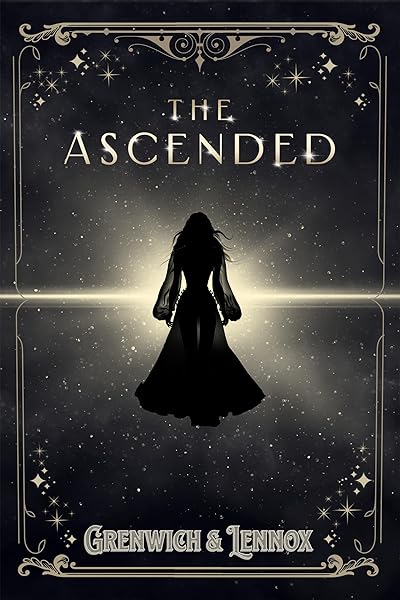
The Ascended (The Aesymarean Duet)

Hollow (Crown of Hearts and Chaos Book 1)

Eldritch (The Eating Woods)
Thriller & Mystery: The Freida McFadden Effect
Thrillers and mysteries present a fascinating case study in how a single indie author can reshape the competitive dynamics of an entire genre.
Traditionally, thrillers have been a Big Five stronghold. Authors like James Patterson, Lee Child, and Dan Brown were published by major houses and dominated bestseller lists for decades. The genre's reliance on single standalones (only 20% series rate in our data) and higher pricing ($8.86 average) seemed to favor traditional publishing's marketing muscle over indie's series-driven approach.
Then Freida McFadden happened. McFadden, a self-published author who prices her thrillers at $4.99 in KU, has sold millions of copies and regularly appears in the overall Top 10 Kindle store — competing directly with $13.99 traditionally published thrillers. Her success demonstrated that the KU + low price + rapid release model that dominates romance can work in thrillers too.
The numbers from our data support this shift: thrillers have a 36% KU rate, up from an estimated 20% a few years ago. Mystery sits at 38%. These are not romance-level KU penetration rates, but the trend is unmistakably upward.
Traditional publishing retains advantages in thrillers for authors who want bookstore distribution, international translation deals, and film/TV optioning. A thriller published by Simon & Schuster has a fundamentally different path to readers than one self-published on KDP. Both paths can be profitable, but they serve different author goals.
Cozy mystery is an interesting outlier — it is one of the most indie-dominated mystery subgenres, with long series (10–20+ books), loyal readerships, and heavy KU enrollment. Cozy mystery authors often earn more than their trad-published counterparts because the series length creates enormous cumulative value per reader.
Thriller: 36% KU, indie rising fast


Horror: The Quiet Indie Takeover
Horror has the highest KU enrollment rate of any genre at 60% — a clear indicator of indie dominance. But horror's indie takeover happened quietly, without the media attention that romance and romantasy received.
The structural reasons are straightforward. Horror readers are high-volume consumers who read quickly and frequently. KU's unlimited reading model is a natural fit. Traditional horror publishing has contracted over the past decade, with fewer horror imprints and fewer slots for new authors. This created a vacuum that indie authors filled.
The average horror ebook price of $7.36 — the lowest of any major genre — reflects the indie pricing model. Most horror bestsellers are priced at $4.99 in KU, with traditional titles in the $10–$14 range pulling the average up.
Horror also benefits from a strong seasonal cycle (September–October sales spikes) that indie authors can capitalize on better than traditional publishers. An indie author can time a release for September 1 and start advertising September 15. A traditional publisher needs to plan release dates 12–18 months in advance, making seasonal targeting less precise.
The 40% series rate in horror suggests a hybrid model where both standalones and series perform well. Horror series tend to be short (trilogies, duologies) compared to romance or fantasy series, making them manageable for authors who want the read-through benefits without the commitment of a 10-book saga.
For aspiring horror authors, the market data strongly favors indie publishing: higher KU engagement, lower barriers to entry (no agent or publisher required), faster time to market, and a reader base that discovers books through Amazon and social media rather than bookstores.
Horror: 60% KU — the most indie-dominated genre

The First Witch of Boston: A Novel
On Wings of Blood: A Novel (Bloodwing Academy Book 1)
We Who Will Die: An Epic Romantasy of Forbidden Love, Deadly Secrets, and Vampires in a High-Stakes Arena, Discover a Vividly Reimagined Ancient Rome (Empire of Blood Book 1)
The Ascended (The Aesymarean Duet)
Eldritch (The Eating Woods)
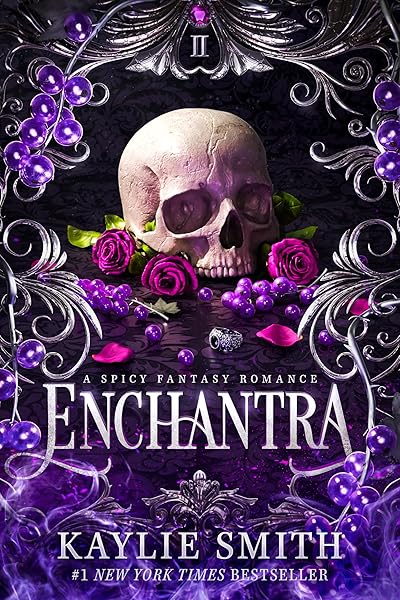
Enchantra: A spicy fantasy romance (Wicked Games Book 2)
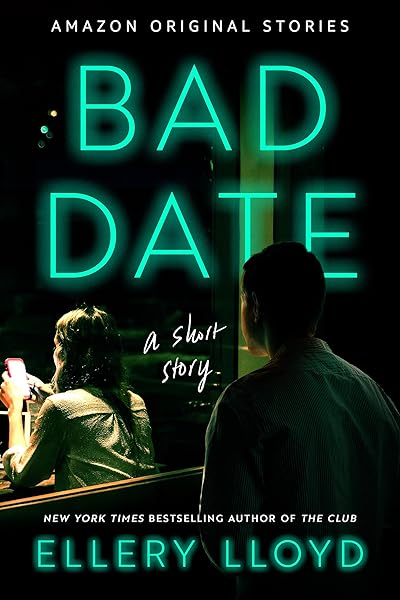
Bad Date: A Short Story

Eleven Numbers: A Short Story
Where Traditional Publishing Still Wins
Despite indie publishing's gains, traditional publishing retains clear advantages in several areas — and these advantages are not shrinking.
Literary Fiction: Traditional publishing dominates literary fiction almost completely. The genre depends on review coverage (New York Times, Kirkus, NPR), bookstore placement, awards eligibility, and library acquisitions — all of which are gated through traditional publishing channels. Self-published literary fiction faces a stigma that does not exist in romance or thriller, and the discovery channels (BookTok, KU browsing) that drive indie sales in other genres are less active in literary fiction.
International Rights: A traditional publisher's foreign rights department can sell translation rights to publishers in 20–30 countries simultaneously. An indie author can translate and self-publish internationally, but managing multiple markets, languages, and metadata is a full-time job. The revenue from international rights can double or triple an author's earnings, and traditional publishers have the relationships and infrastructure to capture this revenue efficiently.
Film and TV Adaptation: Hollywood still works primarily through agents and traditional publishers when optioning books. While self-published books do get optioned (Andy Weir's The Martian, E.L. James's Fifty Shades), the vast majority of book-to-screen deals originate from traditionally published titles. If film/TV adaptation is a priority, traditional publishing provides a more reliable path.
Bookstore Distribution: Physical bookstores — particularly Barnes & Noble, which has experienced a renaissance under new management — are essentially closed to self-published books. The bookstore channel represents a meaningful percentage of total book revenue (roughly 20–25% of print sales), and accessing it requires a traditional publisher or distributor.
Advance Payments: Traditional publishers pay advances against royalties — typically $5,000–$25,000 for debut authors, $50,000–$500,000 for established authors, and seven figures for bestsellers. This upfront payment provides financial security that self-publishing cannot match. Even if the indie model is more profitable long-term, the guaranteed income of an advance is meaningful for authors who depend on writing income.
Editorial Investment: Big Five publishers invest $10,000–$50,000+ in editing, cover design, marketing, and production per title. While AI tools have reduced some of these costs for indie authors, the depth of professional support that a traditional publisher provides — developmental editors who have worked on hundreds of books, art directors with decades of experience, marketing teams with media relationships — is difficult to replicate independently.
Where Indie Publishing Wins
The indie advantages are equally structural — and in genres with high KU enrollment and rapid-release economics, they are decisive.
Royalty Rate: Indie authors earn 70% royalties on ebooks priced $2.99–$9.99 through KDP. Traditional authors earn 25% of net (approximately 12.5–17.5% of list price after retailer discounts). An indie author selling a $4.99 ebook earns $3.49. A trad author whose publisher prices the ebook at $12.99 earns roughly $1.62–$2.27. The indie author earns more per sale at a lower price.
Creative Control: Indie authors choose their own covers, titles, pricing, release dates, and marketing strategies. They can change any of these at any time. Traditional authors cede control over cover design, pricing, and publication timing to their publisher. For genres where cover and pricing optimization are critical to sales (romance, thriller, horror), this control is a significant advantage.
Speed to Market: An indie author can go from finished manuscript to published book in 1–4 weeks. A traditional publisher takes 12–24 months from acquisition to publication. In fast-moving genres where trends shift rapidly (romantasy, BookTok-driven categories), the ability to publish quickly is a competitive moat.
KU Access: Kindle Unlimited requires Amazon exclusivity, which traditional publishers will not grant. This locks traditional publishers out of the primary discovery and consumption channel for romance, horror, and increasingly thriller/fantasy. KU's page-read revenue can equal or exceed per-sale revenue for popular titles.
Backlist Control: Indie authors own their rights permanently and earn royalties indefinitely. Traditional publishing contracts typically grant rights for a fixed term (often the life of the copyright), and reversion clauses are complex to exercise. An indie backlist generates income for as long as the books are available — decades, potentially.
Data Access: Amazon provides indie authors with real-time sales data, KU page reads, and advertising performance metrics. Traditional publishers share sales data quarterly, often with a 6-month delay. For data-driven authors who optimize pricing, keywords, and advertising based on performance, this information asymmetry is a meaningful advantage.
The Hybrid Model: The Best of Both Worlds?
An increasing number of successful authors are pursuing a hybrid approach — publishing some books traditionally and others independently. This is not a compromise; it is a strategy that leverages the strengths of each model.
Brandon Sanderson is the most prominent example. He publishes his major Cosmere novels through Tor (traditional) for the bookstore distribution, international rights, and prestige. But his record-breaking $41 million Kickstarter in 2022 for four independently published novels demonstrated the earning potential of going direct to readers. He earns more per unit on his indie releases while using traditional publishing for the projects that benefit from its infrastructure.
The "trad for prestige, indie for income" model: Some authors publish literary or genre-crossing novels traditionally (for awards consideration, review coverage, and bookstore placement) while self-publishing their more commercial series (for higher royalties, faster release, and KU access). This model works well for authors who write across genres or who want the credibility of traditional publication alongside the income of indie.
The "indie first, trad later" model: Authors who build a large audience through indie publishing sometimes sign traditional deals for specific projects — often for print distribution, international expansion, or when a publisher offers a substantial advance. They retain their indie backlist and continue self-publishing alongside their traditional releases.
The "trad first, indie later" model: Authors whose traditional contracts have ended (or who did not receive offers for new books) often transition to indie publishing, bringing their established readership with them. These authors tend to be immediately successful in indie because they already have an audience, reviews, and name recognition.
The hybrid model requires strong negotiation skills and clear boundaries. Non-compete clauses in traditional contracts can limit indie publishing activity. Rights reversion for previously published titles is often complex. And managing two publishing workflows simultaneously requires organizational skills that not every author possesses. But for those who can navigate the complexity, hybrid publishing offers the highest potential ceiling.
Genre-by-Genre Market Share Summary
Here is a summary of the indie vs. traditional competitive dynamics by genre, based on our analysis of 2,500+ bestsellers.
Romance: 70–80% indie by title count on bestseller lists. 58% KU enrollment. Indie dominates due to release velocity, KU economics, and trope-driven marketing. Traditional romance is viable but increasingly niche. Verdict: Strongly indie-favored.
Horror: 60% KU enrollment — highest of any genre. Traditional horror publishing has contracted. Indie authors fill the gap with rapid releases and seasonal targeting. Verdict: Strongly indie-favored.
Thriller: 36% KU and rising. Traditional still dominates big-name thrillers, but indie is gaining ground through the McFadden model ($4.99 + KU + volume). Verdict: Contested, trending indie.
Mystery: 38% KU. Cozy mystery is heavily indie; detective/police procedural is more traditional. Verdict: Split by subgenre.
Fantasy: 42% KU. Epic fantasy remains trad-heavy; romantasy, LitRPG, and cozy fantasy are indie-dominant. Verdict: 50/50, shifting toward indie in new subgenres.
Science Fiction: Similar to fantasy with a more traditional lean in hard sci-fi and a strong indie presence in LitRPG and space opera. Verdict: Slightly trad-favored overall, but subgenre-dependent.
Literary Fiction: Overwhelmingly traditional. Self-published literary fiction faces discovery, credibility, and distribution challenges that indie authors in genre fiction do not. Verdict: Strongly trad-favored.
Romance: indie powerhouse
Fantasy: the 50/50 battleground
On Wings of Blood: A Novel (Bloodwing Academy Book 1)
Rain of Shadows and Endings (The Legacy)
A Tongue so Sweet and Deadly (The Compelling Fates Saga)
Shield of Sparrows: An Enemies-to-Lovers Epic Romantasy
We Who Will Die: An Epic Romantasy of Forbidden Love, Deadly Secrets, and Vampires in a High-Stakes Arena, Discover a Vividly Reimagined Ancient Rome (Empire of Blood Book 1)
The Ascended (The Aesymarean Duet)
Making Your Publishing Decision
The indie vs. traditional question has no universal answer. But the data points toward a framework for making the decision based on your specific genre, goals, and circumstances.
Choose indie if:
You write in a KU-heavy genre (romance, horror, LitRPG). You can publish 3+ books per year. You want maximum control over cover, pricing, and marketing. You are comfortable managing your own business operations. You prioritize per-sale income over upfront advances. You write series.
Choose traditional if:
You write literary fiction or genres with low KU penetration. Bookstore distribution matters to you. You want international rights management handled by professionals. Film/TV optioning is a goal. You prefer guaranteed income (advances) over variable income. You want deep editorial support for complex, long-form projects.
Consider hybrid if:
You write across genres. You have an established audience from either model. You want the credibility of traditional publication alongside indie income. You have the organizational capacity to manage both workflows.
Whatever path you choose, the tools available to indie authors in 2026 have never been more powerful. AI-generated covers that rival professional designers, market analysis tools that reveal competitive dynamics, blurb writers that produce commercial copy, and plot generators that help you outline faster — these tools close the gap between what indie authors and traditional publishers can achieve.
Explore your genre's market data to understand the competitive landscape. Generate professional covers that signal your genre and tropes. Craft compelling blurbs that convert browsers into buyers. And outline your next book with the confidence that comes from understanding your market.
The bottom line: In 2026, the question is not whether to publish — it is how to publish strategically. Both indie and traditional models work. The authors who succeed are the ones who understand which model fits their genre, their goals, and their strengths.
Tools that level the playing field: covers, market data, and more


Explore Market Data by Genre
Browse real Amazon data for 40+ genres — prices, KU rates, tropes, and trends.
Open Market AnalysisRelated Articles
Data-driven analysis of 2,500+ bestselling book covers across 27 genres. Typography patterns, color palettes, image types, and what top sellers have in common.
Data-driven book pricing strategy by genre. We analyzed 2,500+ bestsellers to find the price sweet spots for romance, fantasy, thriller, and more.
Which book tropes actually sell? We analyzed 2,500+ bestsellers to find the most commercially successful tropes in romance, fantasy, thriller, and more.