
How to Find Your Book Niche: A Data-Driven Guide
Stop guessing which genre to write in. Use real data from 2,500+ bestsellers and Goodreads shelf counts to find a profitable book niche with high demand and manageable competition.
What Makes a Good Niche: The Demand-Competition Matrix
A profitable niche sits at the intersection of two dimensions: reader demand (how many people actively want books in this space) and competition (how many authors are already serving that demand). The ideal niche has high demand and low-to-moderate competition.
This isn't a novel insight — every business in every industry looks for underserved markets. But in book publishing, most authors don't know how to quantify either dimension. Here's the framework.
Measuring Demand: Goodreads Shelf Counts
Goodreads shelf counts are the best publicly available proxy for reader demand. When a reader adds a book to a shelf tagged "cozy-mystery" or "dark-romance," they're explicitly signaling their interest in that category. Aggregated across millions of users, these shelf counts reveal the relative size of each reader community.
Here's what our data shows for the top-level genres:
Interpreting the Numbers
Fantasy's 19.4 million shelved books on Goodreads tells us there's an enormous reader community actively organizing and discovering fantasy books. This is genuine demand — not just people who "might" read fantasy, but people who have already read at least one fantasy book and categorized it.
But top-level genre demand doesn't tell the whole story. Within fantasy, "epic fantasy" is a massive sub-genre competing with thousands of authors (including Sanderson, Jordan, Martin). Meanwhile "cozy fantasy" — a rapidly growing sub-genre — has strong demand with far fewer established competitors. The niche is found at the sub-genre level, not the genre level.
Similarly, romance at 14 million shelves represents enormous demand — but "dark romance" and "small-town romance" and "alien romance" are completely different markets with different levels of competition. The top-level number tells you the genre is viable. The sub-genre data tells you where the opportunities are.
Measuring Competition: What BSR Data Reveals
Reader demand is half the equation. The other half is competition — and this is where most niche advice falls apart, because competition is harder to measure than demand.
Amazon Best Sellers Rank (BSR) is the most useful competition signal. A low BSR means a book is selling well. The distribution of BSRs within a sub-genre tells you how concentrated sales are.
In a healthy niche: the top 20 books have good BSRs (under 50,000), and books ranked 40-100 in the sub-genre still have respectable BSRs (under 250,000). This means there's enough demand to support many authors — sales are distributed across the sub-genre rather than concentrated in a few dominant titles.
In an oversaturated niche: the top 5 books have excellent BSRs, but books ranked 20+ in the sub-genre have BSRs above 500,000. This means a few authors capture almost all the demand, and everyone else gets scraps. New entrants face a steep climb.
In a dying niche: even the top books have mediocre BSRs (above 100,000). There isn't enough reader demand to support anyone well. The niche isn't competitive — it's just empty.
Our dataset of 2,500+ bestsellers includes BSR data across all 27 categories, giving us a clear picture of how sales distribute within each niche.
Cozy Mystery — high demand, distributed sales

No Stress Space Express: A Cozy, Low-Stakes, Slice-of-Life Scifi Adventure
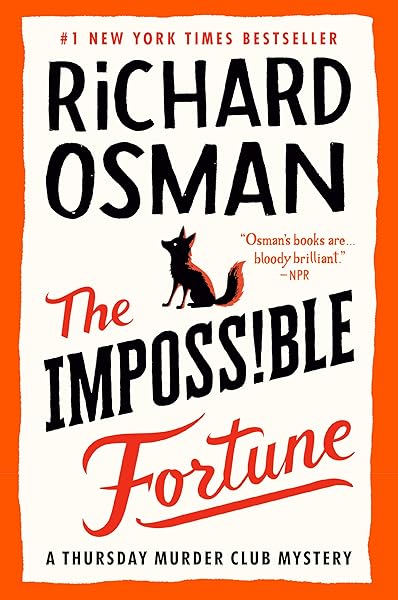
The Impossible Fortune: A Thursday Murder Club Mystery (Thursday Murder Club Mysteries Book 5)
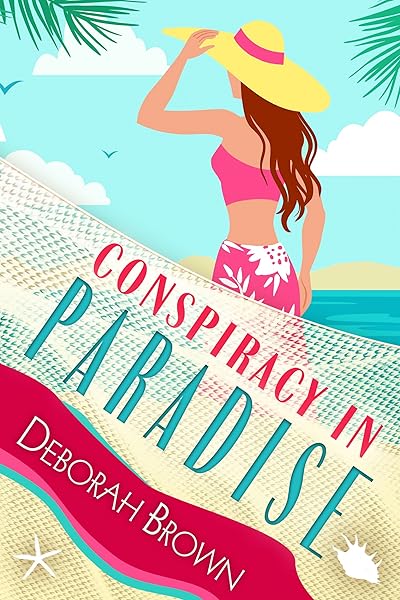
Conspiracy in Paradise (Florida Keys Mystery Series Book 36)

Galactic Green Thumbs: A Cozy, Low-Stakes, Slice-of-Life Sci-fi Adventure (No Stress Space Express Book 9)
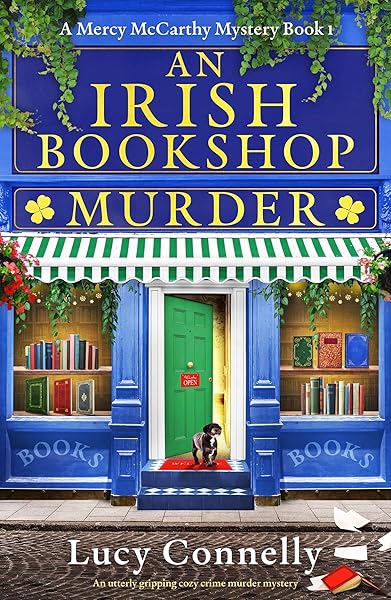
An Irish Bookshop Murder: An utterly gripping cozy crime murder mystery (A Mercy McCarthy Mystery Book 1)
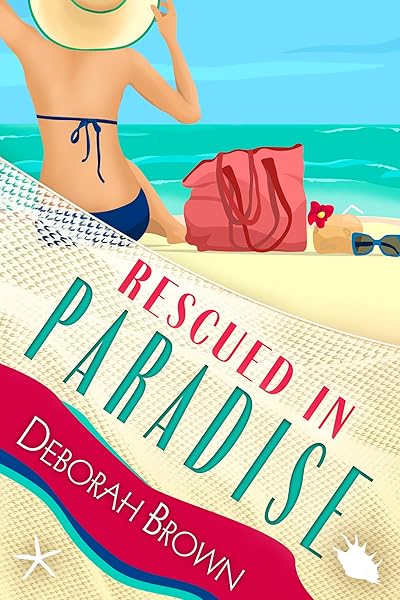
Rescued in Paradise (Florida Keys Mystery Series Book 32)

Hunted in Paradise (Florida Keys Mystery Series Book 33)

Entitled in Paradise
Dark Academia — rising demand, low competition
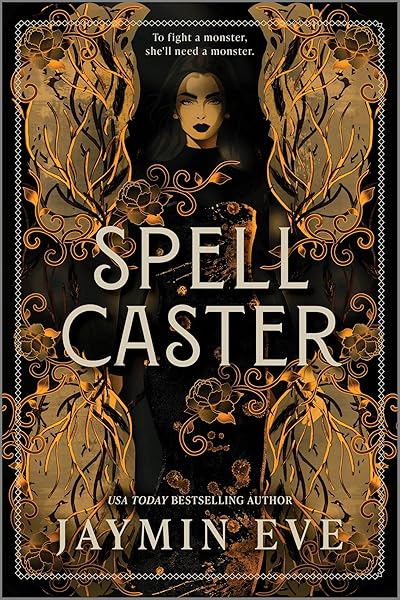
Spellcaster: A Slowburn Enemies to Lovers Magical Dark Academia Spicy Romantasy – A NYT Bestselling Witch Fantasy Novel (Weatherstone College Book 1)
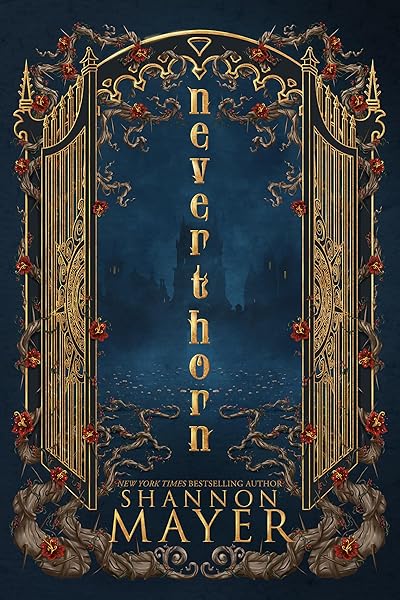
Neverthorn: A Dark Academia Urban Fantasy (Of Quirks and Curses Book 1)

Wicked Onyx: A Dark Academia Romantasy (The Veritas Legacy)

Enigma: A Dark Academia Romance

Blood & Betrayals: A Dark Academia Romantasy Series (Avalon University Book 1)

Nightshade: Sorrowsong University Book 1

Babel: Or the Necessity of Violence: An Arcane History of the Oxford Translators’ Revolution—An Historic Fantasy of Dark Academia, Perfect for Fans of ... Fiction and Nineteenth Century England
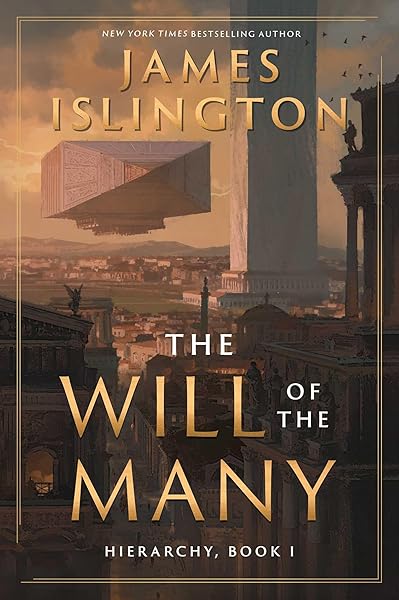
The Will of the Many (Hierarchy)
The Niche Scoring Framework
Based on our analysis, we evaluate niches across five dimensions. Each dimension is scored and weighted to produce an overall opportunity score.
1. Demand (30% weight). Based on Goodreads shelf counts and Amazon category depth. A genre with 6+ million shelves and deep Amazon subcategories has proven, sustainable demand. A genre with under 500K shelves is either emerging or niche-within-a-niche.
2. Competition difficulty (25% weight). Based on BSR distribution and author concentration. How many of the top 100 books are by the same 10 authors? How quickly do BSRs deteriorate outside the top 20? High concentration = difficult entry.
3. Freshness (20% weight). What percentage of bestsellers were published in the last 12 months? A genre where 40%+ of top books are recent is actively welcoming new titles. A genre where the top 20 books are all 3+ years old is calcified — readers are loyal to existing authors and resistant to discovering new ones.
4. Revenue potential (15% weight). Based on median estimated monthly revenue per book. Romance's $7.58 average price with high volume is a different revenue profile than fantasy's $11.67 average with lower volume. KU enrollment rates matter too — in genres with 60% KU enrollment (like horror), page-read revenue is a major component.
5. Series potential (10% weight). Series-friendly genres offer higher lifetime reader value. Romance at 54% series rate and fantasy at 44% score high here. Standalone-dominant genres like literary fiction score lower — each book requires new reader acquisition.
Tip: Don't optimize for a single dimension. A niche with massive demand but brutal competition (mainstream romance) isn't necessarily better than a niche with moderate demand and low competition (cozy fantasy). The goal is the best ratio of demand to competition, weighted by your ability to execute (write fast, produce series, market effectively).
Example Niches: A Data-Driven Comparison
Let's apply the framework to four real niches from our dataset, ranging from oversaturated to emerging.
Cozy Mystery: The Sweet Spot
Cozy mystery is one of the most attractive niches for new authors, and the data explains why.
Demand: Mystery has 6.5 million Goodreads shelves, and cozy mystery is the fastest-growing sub-genre within it. Amazon's cozy mystery subcategory is deep and active, with new releases entering the top 100 weekly.
Competition: Moderate. While there are established cozy mystery authors, the genre isn't dominated by a few mega-sellers the way epic fantasy is. BSRs are distributed relatively evenly — books ranked 50th in the sub-genre still sell respectably.
Freshness: High. Cozy mystery readers consume voraciously (3-5 books per month is common) and are always looking for new series. Recent titles make up a significant portion of the bestseller list.
Revenue: Mystery averages $8.85 per book with 38% KU enrollment. The KU rate is moderate — cozy mystery readers split between buying and borrowing, giving authors flexibility in their distribution strategy.
Series rate: 26% — lower than romance, but cozy mystery series that gain traction tend to run very long (15-30+ books). The lifetime reader value of a cozy mystery fan is exceptional.
Overall assessment: Excellent entry point for new authors. High demand, distributed competition, reader appetite for new series.
Cozy mystery bestsellers — accessible, reader-hungry niche
No Stress Space Express: A Cozy, Low-Stakes, Slice-of-Life Scifi Adventure
The Impossible Fortune: A Thursday Murder Club Mystery (Thursday Murder Club Mysteries Book 5)
Conspiracy in Paradise (Florida Keys Mystery Series Book 36)
Galactic Green Thumbs: A Cozy, Low-Stakes, Slice-of-Life Sci-fi Adventure (No Stress Space Express Book 9)
An Irish Bookshop Murder: An utterly gripping cozy crime murder mystery (A Mercy McCarthy Mystery Book 1)
Rescued in Paradise (Florida Keys Mystery Series Book 32)
Hunted in Paradise (Florida Keys Mystery Series Book 33)
Entitled in Paradise
Dark Academia: Rising and Underserved
Dark academia is the textbook example of an emerging niche — rising demand with very little established competition.
Demand: Growing rapidly on BookTok and Bookstagram. The aesthetic drives discovery — readers find the genre through mood boards and aesthetic content before they even search for books. Goodreads shelf counts are climbing, but the audience is still forming its reading habits.
Competition: Low. A handful of breakout titles (largely from traditional publishing) dominate the sub-genre, but there's a massive gap in the indie space. Readers want more dark academia books than currently exist.
Freshness: Very high. This is a sub-genre where the bestseller list turns over frequently. A strong new release can crack the top 10 quickly because there isn't a wall of entrenched backlist titles blocking the way.
Revenue: Pricing follows the fantasy/literary fiction pattern — readers accept higher price points ($10-14) because they perceive dark academia as a premium, literary-adjacent genre.
Series rate: Moderate. Duologies and trilogies are common. Readers expect self-contained stories with potential for companion novels rather than open-ended series.
Overall assessment: Strong opportunity for authors who can nail the aesthetic. The window won't stay open forever — as more authors enter, competition will increase. Early movers have a significant advantage.
Dark academia — emerging niche with room to grow
Spellcaster: A Slowburn Enemies to Lovers Magical Dark Academia Spicy Romantasy – A NYT Bestselling Witch Fantasy Novel (Weatherstone College Book 1)
Neverthorn: A Dark Academia Urban Fantasy (Of Quirks and Curses Book 1)
Wicked Onyx: A Dark Academia Romantasy (The Veritas Legacy)
Enigma: A Dark Academia Romance
Blood & Betrayals: A Dark Academia Romantasy Series (Avalon University Book 1)
Nightshade: Sorrowsong University Book 1
Babel: Or the Necessity of Violence: An Arcane History of the Oxford Translators’ Revolution—An Historic Fantasy of Dark Academia, Perfect for Fans of ... Fiction and Nineteenth Century England
The Will of the Many (Hierarchy)
Mainstream Romance: High Demand, Brutal Competition
Romance is the largest fiction market by revenue, but that doesn't make it easy.
Demand: Massive — 14 million Goodreads shelves. Romance readers are the most voracious consumers in all of publishing, reading 1-4 books per week. The demand is real and growing.
Competition: Extremely high. The top romance authors have multi-million-dollar backlists and enormous advertising budgets. Amazon's romance category is so deep that a new release without significant marketing support sinks below the fold within hours.
Freshness: Mixed. Romance readers want new books constantly, but discovery is driven by advertising spend more than organic browsing. A book with zero ad budget has a short window of visibility.
Revenue: $7.58 average per book, 58% KU enrollment. The lower average price reflects aggressive pricing strategies (many romance authors use $0.99-$2.99 as entry points for series openers). Revenue comes from volume and readthrough, not individual book pricing.
Series rate: 54% — the highest in our dataset. Romance is a series business, and the most successful romance authors have 10-30+ book series.
Overall assessment: Viable but demanding. New authors need either a strong sub-niche strategy (dark romance, monster romance, small-town — go specific) or a significant advertising budget. Writing generic "romance" with no sub-genre focus is a recipe for invisibility.
Romance — massive demand requires sub-niche focus

Bad Bishop: A Dark Mafia Romance (Society of Villains Book 1)

Till Summer Do Us Part

Rewind It Back (Windy City Series Book 5)

Say You'll Remember Me

The Wild Card: a single dad hockey romance

Picking Daisies on Sundays

The Fall Risk: A Short Story

King of Depravity: Dark Steamy Mafia/Billionaire Romance (Kings of Las Vegas Book 1)
Horror: The Overlooked Opportunity
Horror is consistently underestimated by self-publishing strategists, and the data suggests it shouldn't be.
Demand: 3.6 million Goodreads shelves. Smaller than romance or fantasy, but horror readers are exceptionally loyal. The horror community is tight-knit and passionate — when they discover an author they like, word spreads fast through dedicated subreddits, Discord servers, and BookTok horror communities.
Competition: Moderate-low for indie authors. Traditional horror publishing is dominated by a small number of authors (King, Koontz, a few others), but the indie horror space is significantly less crowded than indie romance or fantasy.
Freshness: High. Horror readers actively seek new, innovative voices. The genre rewards originality — unlike romance, where readers want familiar tropes executed well, horror readers want to be surprised.
Revenue: $7.36 average price with the highest KU enrollment in our dataset at 60%. Horror readers love Kindle Unlimited, which makes the KU page-read strategy particularly viable.
Series rate: 40%. Horror series tend to be shorter (trilogies, duologies) but have strong readthrough because horror readers want to see how the terror escalates.
Overall assessment: Underserved niche with passionate readers and high KU engagement. Particularly attractive for authors who can produce atmospheric, original horror — the community rewards uniqueness more than any other genre.
Horror — high KU engagement, loyal reader base

The First Witch of Boston: A Novel

On Wings of Blood: A Novel (Bloodwing Academy Book 1)

We Who Will Die: An Epic Romantasy of Forbidden Love, Deadly Secrets, and Vampires in a High-Stakes Arena, Discover a Vividly Reimagined Ancient Rome (Empire of Blood Book 1)
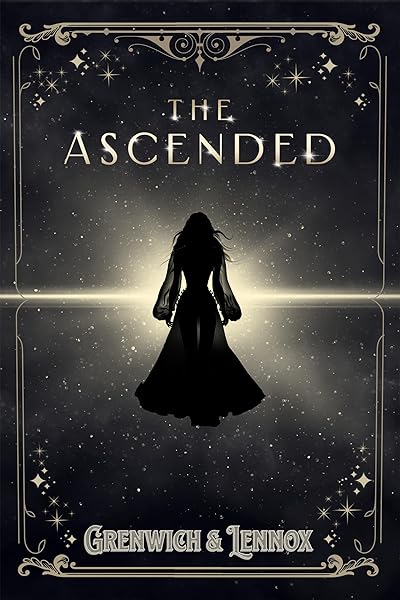
The Ascended (The Aesymarean Duet)

Eldritch (The Eating Woods)
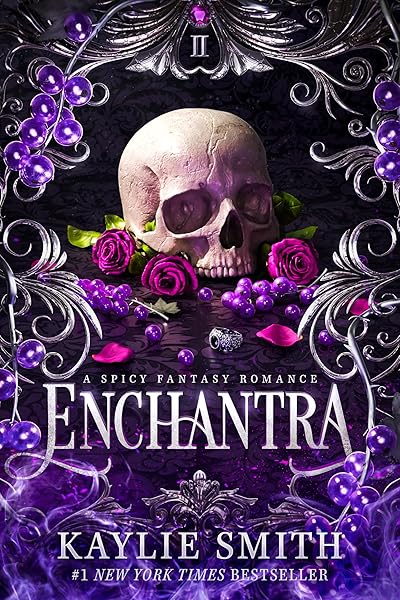
Enchantra: A spicy fantasy romance (Wicked Games Book 2)
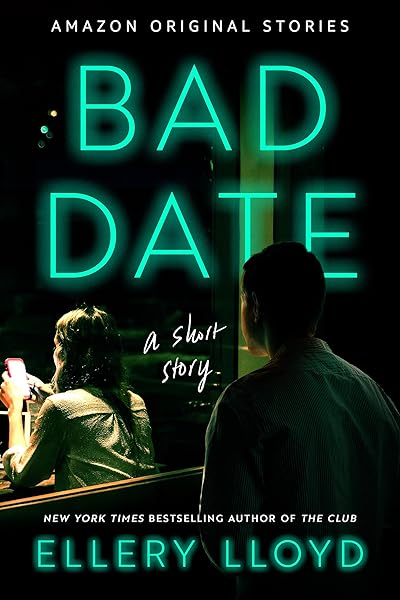
Bad Date: A Short Story

Eleven Numbers: A Short Story
Common Niche Selection Mistakes
After analyzing thousands of books and working with hundreds of authors, these are the niche selection mistakes we see most frequently.
Mistake 1: Choosing a genre, not a niche. "I write fantasy" is a genre. "I write cozy fantasy with found-family themes" is a niche. "I write romance" is a genre. "I write small-town, single-dad romance" is a niche. The more specific your niche, the easier it is to build a readership — because you're competing against fewer books for a more targeted audience. Don't go so narrow that demand doesn't exist, but always go narrower than the top-level genre.
Mistake 2: Ignoring KU dynamics. Kindle Unlimited changes the economics of every genre it touches. In genres with 60% KU enrollment (horror), not being in KU means you're invisible to the majority of active readers. In genres with lower KU rates (thriller at 36%), going wide (selling on multiple platforms) is a viable strategy. Your distribution decision should be informed by your genre's KU rate, not by ideology.
Mistake 3: Chasing trends without data. "Vampire romance is hot right now" based on a few BookTok videos is not market research. Before entering a trending niche, verify with data: Are the top books in this niche actually selling? How many new releases are entering the space? Is the trend growing or has it already peaked? A trend that peaked three months ago is a trap for new entrants.
Mistake 4: Ignoring your production speed. Romance rewards fast production — readers in this genre expect 4-8 books per year from their favorite authors. If you can only produce 1-2 books per year, romance's advantages (high series rate, voracious readers) are partially negated because your backlist grows too slowly. Literary fiction, horror, and some fantasy sub-genres are more forgiving of slower production schedules.
Mistake 5: Treating all competition as equal. Competing against traditionally published authors with six-figure marketing budgets is fundamentally different from competing against other indie authors. In some niches, the "competition" is all Big Five books with enormous advertising spend — which means the niche looks competitive by BSR but is actually underserved in the indie space. Look at who the competitors are, not just how many there are.
Rule of thumb: A good niche has at least 50 books with BSR under 100,000 (proves demand), no single author holding more than 20% of the top 50 spots (competition isn't monopolized), and at least 30% of the top 50 published in the last 12 months (the market is active, not calcified).
Your Niche Research Process: Step by Step
Here's the exact process we recommend for finding your niche. It takes 2-4 hours and saves months of wasted effort.
Step 1: List your genre interests. Write down 3-5 genres or sub-genres you'd genuinely enjoy writing. Don't filter for profitability yet — this is about finding the intersection of passion and market.
Step 2: Check demand for each. Look up Goodreads shelf counts for each genre and sub-genre. Anything above 1 million shelves has proven demand. Between 500K and 1M is moderate demand. Below 500K is either very niche or very new — investigate further before committing.
Step 3: Evaluate competition. Search each sub-genre on Amazon. Look at the top 20 books: How many are by the same author? What are the BSRs of books ranked 30-50? Are the top books all traditionally published, or is there a healthy indie presence?
Step 4: Check freshness. On the Amazon bestseller list for your sub-genre, count how many of the top 20 books were published in the last 12 months. If fewer than 5, the niche may be calcified. If more than 10, the niche is actively turning over and welcoming new entrants.
Step 5: Evaluate KU dynamics. Check what percentage of the top 20 are in Kindle Unlimited (indicated by "Read for Free" on the product page). If it's above 50%, KU is likely essential for visibility. If below 30%, going wide is viable.
Step 6: Score and compare. Apply the five-dimension framework from earlier (demand, competition difficulty, freshness, revenue, series potential). Your best niche is the one that scores highest overall while still aligning with your interests and production capacity.
Or, skip the manual research and let our Niche Analyzer do it for you. It runs this exact framework automatically across all sub-genres in our database, using real BSR and shelf data from 2,500+ analyzed books.
Cozy Fantasy — rising demand, low competition

Tansy's Tinctures: A cozy cottagecore fantasy (Tales of Silverfern Hollow Book 1)

The Midnight Bookshop: Your next favourite magical realism book – for fans of cosy, small-town emotional reads in 2026!
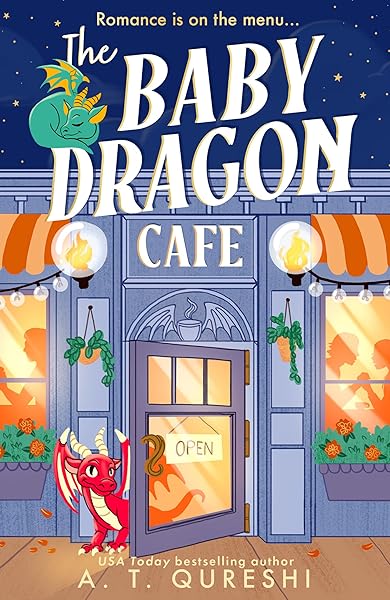
The Baby Dragon Cafe: the USA Today bestselling charming NEW cozy romance fantasy for 2025 you need! (The Baby Dragon series Book 1)

Guard in the Garden: A Cozy Fantasy (Fables of Finlestia)

A Fellowship of Bakers & Magic: Adenashire, A Cozy Fantasy Book Series
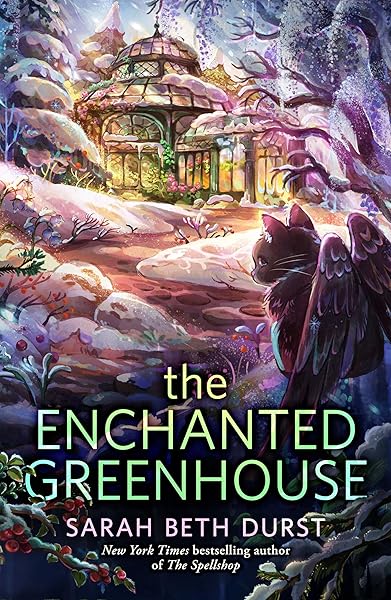
The Enchanted Greenhouse (The Spellshop)
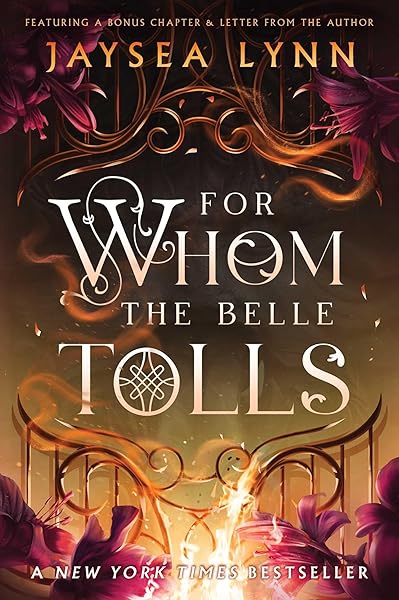
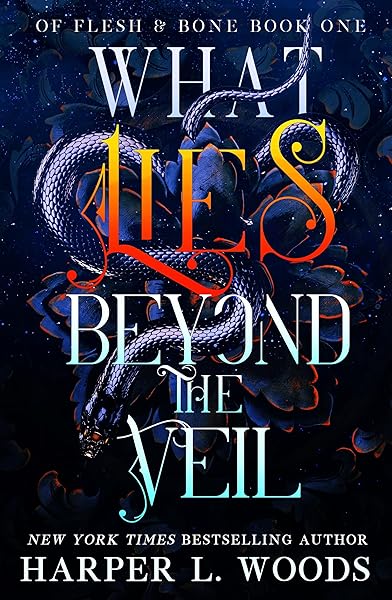
Romantasy — crossover niche, strong readthrough


Find Your Niche With Data, Not Guesswork
The difference between authors who earn a living and those who don't isn't just writing quality — it's market positioning. A good book in the right niche outsells a great book in the wrong niche. Every time.
The framework in this guide gives you the tools to evaluate any niche objectively. But you don't have to do it manually. Dear Pantser's Niche Analyzer crunches the data from our database of 2,500+ books across 27 categories, cross-referenced with Goodreads shelf counts and Amazon BSR data, to score every sub-genre on demand, competition, freshness, and revenue potential.
Stop guessing. Start with data.
Analyze your niche with real market data →
Already know your niche? Build your cover with genre-specific conventions using our Cover Editor, develop your plot with our Plot Generator, or craft your back-cover copy with our Blurb Writer.
Explore Market Data by Genre
Browse real Amazon data for 40+ genres — prices, KU rates, tropes, and trends.
Open Market AnalysisRelated Articles
Explore the fantasy book market in 2026 with data-driven insights. Discover key trends, subgenre popularity, and actionable strategies for indie authors.
Explore the horror book market in 2026. Discover key trends, reader demographics, subgenre opportunities, and actionable strategies for indie authors to succeed.
Navigate the thriller book market in 2026 with key trends, sales data, and actionable strategies for indie authors. Optimize your publishing for success.